

Transportation Near USC Campus: The Complete Student Guide to Getting Around LA
Transportation near USC campus plays an important role in the daily lives of students, faculty, visitors, and commuters traveling to the University of Southern California. Located near Downtown Los Angeles, USC offers convenient access to a variety of transportation options that make navigating the surrounding neighborhoods and exploring the city easier. Although Los Angeles is known for its busy streets and widespread destinations, getting around USC does not necessarily require owning a personal vehicle. With reliable public transportation near USC, students and visitors can travel to classes, nearby housing, shopping areas, and popular attractions while managing their transportation expenses.
From university-operated campus shuttles and LA Metro trains to local buses, student transit passes, bicycles, rideshare services, and parking facilities, there are numerous ways to travel throughout the USC area. Whether you're commuting from an off-campus apartment, traveling between the University Park and Health Sciences campuses, or exploring destinations across Los Angeles, understanding the available transportation options can help you save time and make informed travel decisions.
This comprehensive guide explores transportation near USC campus, including convenient public transit routes, affordable student commuting programs, campus shuttle services, parking options, and alternative ways to get around. You'll also discover practical tips for planning your daily commute, choosing cost-effective transportation, navigating nearby neighborhoods, and traveling safely throughout Los Angeles.
What Transportation Options Are Available Near USC Campus?
Transportation near the University of Southern California includes a variety of convenient options designed to accommodate students, faculty, staff, and campus visitors. From university-operated shuttles and public buses to Metro trains, bicycles, and rideshare services, travelers can choose transportation based on their schedules, destinations, and budgets. Understanding the available services makes commuting to USC easier while providing flexibility for exploring surrounding Los Angeles neighborhoods.
Understanding USC's Location and Transportation Network
USC's University Park Campus is located just south of Downtown Los Angeles, near Exposition Park, making it accessible through several major transportation routes. Nearby Metro E Line stations, including Expo Park/USC and Jefferson/USC, connect the area to Downtown LA, Culver City, and Santa Monica. The University Park Campus serves as USC's main academic campus, while the Health Sciences Campus is located northeast of Downtown Los Angeles and requires a separate commute.
University Transportation Versus Public Transportation
USC-operated transportation services primarily support university-related travel through campus shuttles, intercampus buses, and eligible nighttime rideshare programs. Public transportation systems, including LA Metro, LADOT DASH, and Metrolink, provide broader connections throughout Los Angeles and surrounding communities. University services may have specific eligibility requirements and operating schedules, while public transit generally serves all passengers. USC students may also qualify for transit benefits that make regular commuting more affordable and convenient.
Choosing the Right Transportation for Your Daily Routine
Selecting the best transportation near USC depends on your travel distance, class schedule, budget, accessibility needs, and personal preferences. Walking or cycling may be ideal for students living close to campus, while Metro trains and buses offer convenient connections across Los Angeles. Commuter rail and car-based transportation may be more practical for longer distances. Comparing travel times, operating hours, costs, and available routes helps establish a reliable daily commuting routine.
How Can You Get Around USC Using Campus Shuttles and University Transportation?
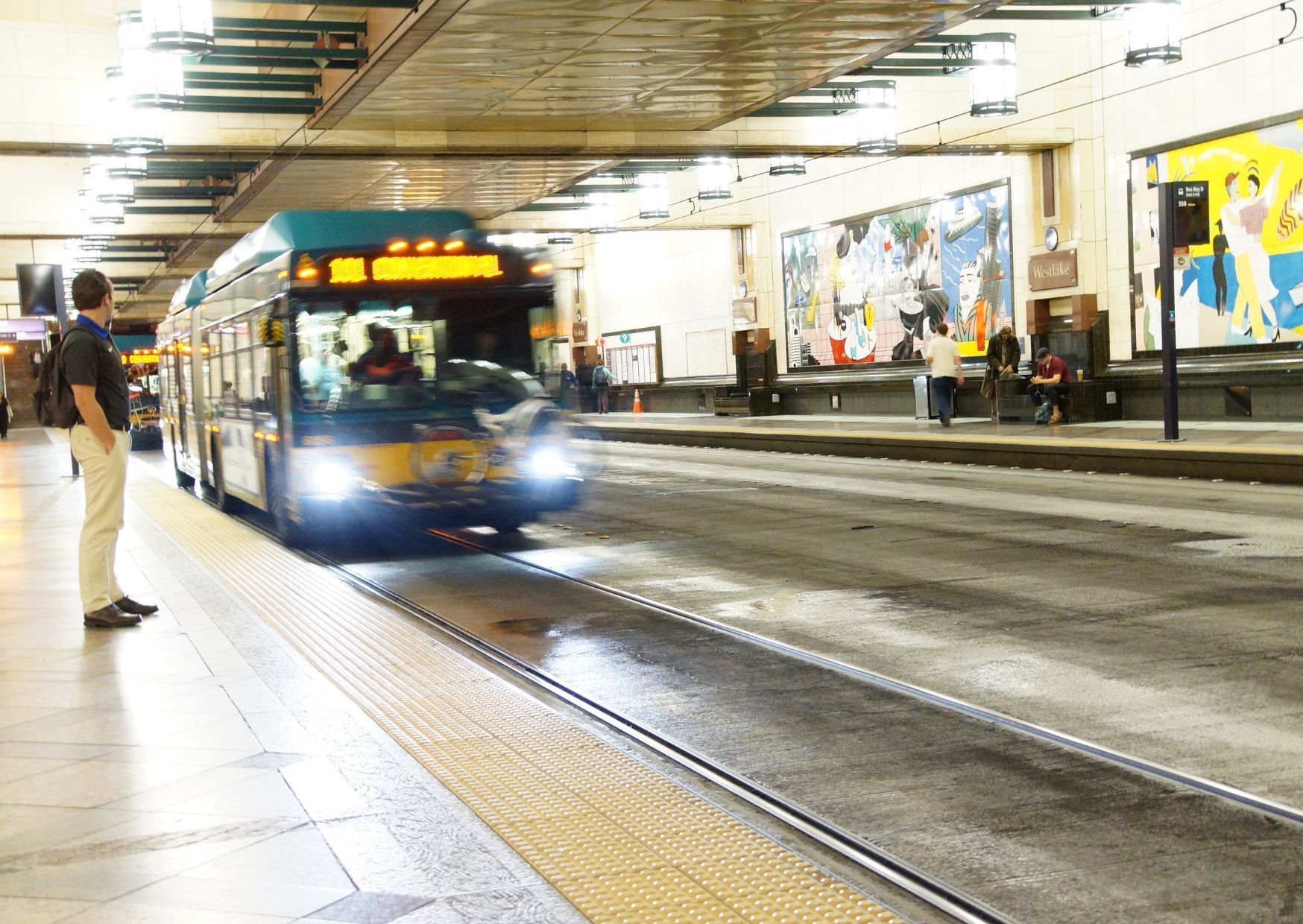
USC provides convenient university-operated transportation services that help students, faculty, and staff travel between campus facilities, nearby neighborhoods, parking structures, and major transportation hubs. These shuttle services offer a practical alternative to driving, making daily commuting more manageable while reducing parking concerns. Whether you're traveling between USC campuses, arriving from Union Station, or commuting from surrounding residential areas, university transportation provides accessible pickup locations and scheduled routes to support your daily activities.
USC Campus Shuttle Services
USC operates a network of campus buses that connect the University Park Campus with surrounding neighborhoods, university facilities, and transportation hubs. These services help eligible students, faculty, and staff travel conveniently without relying on personal vehicles. Designated pickup and drop-off locations make it easier to access academic buildings, parking areas, and nearby destinations. Since routes and operating hours can change between semesters, passengers should review the latest USC Transportation schedules before planning their trips.
Intercampus Transportation Between UPC and HSC
The USC Intercampus Shuttle connects the University Park Campus (UPC), Health Sciences Campus (HSC), and Los Angeles Union Station. This service is particularly useful for students attending classes, conducting research, or participating in university activities at multiple locations. By providing scheduled transportation between campuses, the shuttle helps simplify longer trips across Los Angeles. Weekday and weekend services may follow different schedules, so passengers should confirm departure times and designated stops before traveling.
Parking Center and Other University Shuttle Routes
USC provides additional shuttle routes connecting university parking facilities, nearby properties, and selected off-campus locations. The Parking Center Shuttle serves the Grand Avenue Parking Structure, allowing commuters to park away from the main campus and continue their journey by university bus. For Fall 2026, this route operates approximately every 30 minutes between 9:00 a.m. and 3:00 p.m. Other routes serve locations such as USC Tower and Marina del Rey. Availability and schedules may vary during holidays, academic breaks, and special events.
How to Find USC Shuttle Routes and Track Arrivals
Students and visitors can find updated shuttle routes, stop locations, and departure schedules through the official USC Transportation website. USC also offers the ETA SPOT mobile application, which provides GPS-based bus tracking and estimated arrival times. The app is available for compatible smartphones, while a desktop tracking option is also provided. Checking live bus locations before leaving your residence, classroom, or workplace can reduce unnecessary waiting and help you plan more efficient connections between university transportation services.
What Public Transportation Is Available Near USC Campus?
Public transportation near USC campus provides students, faculty, and visitors with convenient ways to travel throughout Los Angeles without relying on personal vehicles. With access to Metro trains, local buses, and neighborhood transit services, commuters can easily reach Downtown Los Angeles, nearby residential communities, shopping destinations, and popular attractions. These transportation options offer flexible connections for daily classes, work schedules, and recreational activities while helping travelers reduce commuting expenses and avoid some of the challenges associated with driving in Los Angeles.
Metro E Line: Convenient Rail Transportation Near USC
The Metro E Line, formerly known as the Expo Line, is one of the most convenient public transportation options near the University of Southern California. This light rail service connects the USC area with Downtown Los Angeles, Culver City, Santa Monica, and East Los Angeles, providing access to employment centers, shopping districts, entertainment venues, and recreational destinations. Traveling by Metro allows students to avoid much of the city's road congestion while enjoying a predictable rail transportation option. The E Line also connects with other Metro routes, making it easier to reach additional neighborhoods throughout Los Angeles.
Expo Park/USC and Jefferson/USC Stations
Two Metro E Line stations provide convenient access to USC's University Park Campus. Expo Park/USC Station serves the southern portion of campus near Exposition Park, while Jefferson/USC Station provides access to the northern side near Jefferson Boulevard. Choosing the station closest to your destination can reduce walking distances and make daily commuting more convenient.
LA Metro Buses Serving the USC Area
LA Metro operates an extensive network of buses serving neighborhoods around the University of Southern California. Major streets such as Figueroa Street, Vermont Avenue, and Exposition Boulevard provide access to bus routes connecting USC with Downtown Los Angeles and surrounding communities. These services are particularly useful for reaching destinations without direct rail connections. Students can combine Metro buses with the E Line to travel between neighborhoods, shopping areas, workplaces, and other locations throughout the city.
LADOT DASH and Neighborhood Bus Services
LADOT DASH offers convenient neighborhood transportation for shorter trips around USC and nearby Downtown Los Angeles destinations. The DASH F route connects the USC area with the Financial District, providing an additional option for students traveling between campus, local businesses, and downtown attractions. These neighborhood buses complement Metro rail and university shuttle services by offering connections to locations that may require additional walking or transfers. Checking current route maps and schedules helps travelers identify the most convenient stops.
Planning Trips With Transit Maps and Apps
Planning public transportation near USC campus is easier with reliable transit maps and mobile applications. Students can use the official LA Metro website, Google Maps, Transit, and other navigation tools to compare routes, identify transfers, check estimated arrival times, and determine travel durations. Before leaving, review service alerts, station information, and operating schedules, especially during weekends, holidays, or major events. Allowing additional time for transfers and unexpected delays can help make commuting more reliable. Familiarizing yourself with nearby bus stops and Metro stations also makes it easier to explore Los Angeles confidently and efficiently.
How Does the USC U-Pass Help Students Save on Transportation?
The USC U-Pass program makes public transportation near USC campus more affordable and accessible for students who regularly commute throughout Los Angeles. Through a partnership between the University of Southern California and LA Metro, eligible students can enjoy unlimited rides on participating buses and trains without paying additional fares for covered trips. Whether you're traveling to class, commuting from off-campus housing, or exploring nearby neighborhoods, the U-Pass provides a convenient way to reduce transportation expenses while making the most of the city's extensive public transit network.
What Is the USC Student U-Pass Program?
The USC Student U-Pass is a university-sponsored transportation benefit available to currently enrolled undergraduate and graduate students. It provides unlimited rides on LA Metro buses and trains, along with select participating transit agencies, during the applicable semester. The program is funded through USC's mandatory student transportation fee, so eligible registered students do not pay an additional U-Pass charge. This benefit helps make commuting more affordable while encouraging students to use public transportation instead of relying on personal vehicles.
How to Apply for and Activate Your USC U-Pass
To get started, students must obtain a physical USC-issued U-Pass card from a designated USC Transportation office if they do not already have one. First-time applicants must also complete the required Metro survey before submitting the online USC U-Pass application. After registering, students receive an email containing instructions and an activation code. Once online activation is completed, they must wait 24 hours and tap their card at a Metro station or bus within 14 days to finalize activation and maintain their transit benefits.
Renewing Your U-Pass Each Semester
Students must renew their U-Pass registration every semester to continue receiving transportation benefits. Existing cardholders can generally reuse their physical card by selecting the renewal option and completing the required activation process.
Which Transportation Services Accept the USC U-Pass?
The USC U-Pass is accepted on all LA Metro buses and trains, including regular and Rapid bus services. It also covers participating agencies such as LADOT DASH, Culver CityBus, Santa Monica Big Blue Bus, Norwalk Transit, Torrance Transit, Gardena Transit, Long Beach Transit, and eligible Foothill Transit routes. However, the pass does not cover Metrolink commuter trains, Amtrak, LAX FlyAway buses, or certain commuter express services. Students should verify participating routes before traveling.
How to Make the Most of Your Student Transportation Benefits
Students can maximize their U-Pass benefits by checking semester validity, activating their cards promptly, and planning regular trips using eligible transit services. Combining Metro trains with local buses can make it easier to reach classes, internships, shopping destinations, and nearby neighborhoods while reducing commuting expenses. Regularly checking transit schedules and service updates also helps ensure a smoother, more reliable travel experience.
What Car-Based Transportation and Parking Options Are Available Near USC?
Car-based transportation near USC campus provides additional flexibility for students, faculty, and visitors who need convenient access to destinations throughout Los Angeles. While public transit is a practical choice for many commuters, rideshare services, car rentals, personal vehicles, and carpooling can be useful for longer trips, irregular schedules, or locations with limited transit connections. Understanding the available parking facilities, transportation costs, and vehicle-sharing alternatives can help travelers choose the most convenient and affordable option for their needs.
Uber, Lyft, and Other Rideshare Services
Rideshare services such as Uber and Lyft offer convenient transportation near USC campus, particularly for late-night trips, group outings, or destinations that are difficult to reach by public transit. Passengers can request rides through mobile applications and travel directly to their preferred destinations. However, fares vary depending on travel distance, traffic conditions, demand, and pickup locations. Comparing prices before booking and using designated pickup areas can help make rideshare transportation more convenient and cost-effective.
Car Rentals and Short-Term Vehicle Access
Car rentals and short-term vehicle-sharing services provide flexibility for USC students who only need occasional access to a car. These options are particularly useful for grocery shopping, weekend trips, airport transportation, and destinations outside convenient public transit routes. Rental availability, pricing, minimum driver ages, insurance coverage, and eligibility requirements vary by provider. Comparing rental terms and additional fees helps students select appropriate transportation without the ongoing expenses of owning a vehicle.
USC Campus Parking Permits and Daily Parking
USC offers designated parking facilities for students, faculty, staff, and visitors traveling to campus by car. Regular commuters can explore available parking permits, while occasional visitors may use designated daily parking facilities. Permit eligibility, parking locations, access privileges, and fees vary depending on the selected facility and user category. Because campus parking expenses can significantly affect commuting costs, drivers should review current USC Transportation parking rates, permit availability, and visitor parking policies before planning their trips.
Off-Campus Parking and Carpooling Alternatives
Off-campus parking garages, authorized private parking rentals, and carpooling arrangements offer additional options for drivers seeking flexibility near USC. Some nearby residential properties and commercial facilities may provide parking spaces for hourly, daily, or monthly use. Carpooling with classmates or coworkers can also help distribute transportation expenses and reduce the number of vehicles traveling to campus. Before choosing an alternative, verify parking authorization, access hours, security conditions, reservation requirements, and total fees to avoid unexpected costs.
Choosing Between Driving and Public Transportation
Deciding whether to drive or use public transportation near USC depends on your budget, commuting distance, and daily schedule. Personal vehicles offer flexibility but involve parking, fuel, insurance, and maintenance expenses. Metro trains, buses, and campus shuttles may provide more economical alternatives, particularly for students who qualify for university transportation benefits.

What Transportation Options Are Available Near USC at Night?
Transportation near USC campus remains important after sunset, especially for students attending evening classes, studying late, working, or participating in campus activities. While regular public transportation may operate on reduced schedules at night, the University of Southern California offers additional transportation options to help eligible students, faculty, and staff travel within designated areas. Understanding nighttime rideshare programs, approved pickup locations, and alternative travel arrangements can make evening commuting more convenient and help travelers feel more confident.
USC Lyft Rides Program
The USC Lyft Rides Program provides eligible students, faculty, and staff with complimentary Lyft Shared rides within designated university service boundaries. At the University Park Campus, the program generally operates daily from 7:00 p.m. to 2:00 a.m., although schedules may change during special events and academic breaks. To qualify, users must activate their USC Lyft Rides pass and select the eligible Shared ride option. Both pickup and drop-off locations must fall within the approved service area. Before confirming a ride, passengers should verify that the payment section displays the USC Lyft benefit and that the quoted fare is free.
Choosing Safe Pickup and Drop-Off Locations
Selecting an approved, well-lit pickup location is an important part of nighttime transportation near USC. The university provides designated rideshare areas, including locations near the USC Hotel and EVK, with specific access rules depending on the time of day. Before entering a vehicle, verify the driver's name, photograph, license plate, and vehicle details against the information displayed in the rideshare application. Remain in a secure location while waiting, stay aware of your surroundings, and consider sharing your trip details with someone you trust.
Planning a Backup Ride Home
Having an alternative transportation plan is helpful when campus shuttles, Metro services, or rideshare vehicles are unavailable. Check operating hours before attending evening activities and identify nearby transit stops or alternative pickup locations. Keep your phone charged, maintain access to emergency contacts, and allow additional travel time during busy periods. If university-sponsored transportation is unavailable, consider a regular rideshare service, an available public transit route, or traveling with someone you know to reach your destination safely.
How Can You Choose Affordable and Convenient Transportation Near USC?
Finding affordable transportation near USC campus requires balancing travel costs, convenience, reliability, and your daily schedule. With several commuting options available, students can select transportation that fits their budget while providing easy access to classes, workplaces, and surrounding Los Angeles neighborhoods. Comparing travel times, student transit benefits, and available routes can help you establish a practical commuting routine without unnecessary expenses.
Compare Transportation Costs and Travel Time
When choosing transportation near USC, consider the total monthly expenses, average travel time, number of transfers, and service reliability. Public transportation may offer lower commuting costs, while driving provides greater flexibility but includes parking, fuel, and vehicle maintenance expenses. Comparing these factors helps determine which transportation method best suits your daily needs.
Plan Transportation Around Your Class Schedule
Your class schedule, work commitments, and extracurricular activities should influence your commuting decisions. Students attending early morning classes may prefer reliable Metro connections, while those participating in evening activities should review nighttime transportation options. If you have internships or part-time jobs, compare routes and operating hours to ensure your preferred transportation services accommodate your daily responsibilities without creating unnecessary delays.
Save Money With Student Passes and Shared Transportation
USC students can reduce commuting expenses by taking advantage of available transportation benefits, including the USC U-Pass program and eligible student discounts. Combining Metro trains, buses, and university shuttles can minimize the need for paid rideshare trips or personal vehicles. Carpooling with classmates and using university-sponsored shared rides when eligible may also help lower transportation expenses while maintaining convenient access to campus and nearby destinations.
Check Service Updates Before Traveling
Transportation schedules and service availability can change due to holidays, construction, special events, or unexpected disruptions. Before leaving, check official USC Transportation, LA Metro, and Metrolink resources for updated routes, departure times, and service alerts. Real-time navigation applications can also help identify delays and alternative connections, making your commute more predictable and efficient.

What Should Students and Visitors Know About Accessible Transportation and Campus Events?
Transportation near USC campus includes accessibility services and event-specific travel options designed to accommodate students, faculty, and visitors with different mobility and commuting needs. Whether you're attending classes, visiting the university for the first time, or participating in a major campus event, planning ahead can make your journey more convenient. Understanding accessible transportation services, parking arrangements, and potential traffic changes helps ensure a smoother experience when traveling to the University of Southern California.
Accessible Transportation Options Near USC
USC provides accessible transportation resources for individuals with mobility limitations, including designated accessible parking and the Disability Access Ride Transportation (DART) program. DART offers complimentary on-campus transportation for eligible students, faculty, and staff who experience difficulty traveling across the University Park Campus. Rides require advance scheduling and are subject to availability. Accessible public transit and wheelchair-accessible rideshare options are also available in Los Angeles. Travelers should review eligibility requirements, reservation procedures, and available accommodations before their trip.
Transportation for USC Football Games and Major Events
Major USC events, including football games, commencement ceremonies, and university celebrations, can significantly increase traffic and parking demand around campus. Certain parking facilities may have limited availability, adjusted access rules, or special event rates. Campus shuttle routes and public transportation schedules may also change. Visitors should check official USC Transportation announcements, event parking information, and Metro service updates before traveling. Arriving early or using public transportation can help reduce delays.
Getting to USC as a First-Time Visitor
First-time visitors should identify their destination within USC's University Park or Health Sciences Campus before planning transportation. Check the nearest campus entrance, Metro station, or designated parking facility to avoid unnecessary travel. Those using public transit can compare nearby rail and bus connections, while drivers should review visitor parking rules and payment options. Allow additional time for navigating campus entrances, locating buildings, and accommodating unexpected traffic delays.
Make Getting Around USC Easier With the Right Transportation Plan
Finding convenient transportation near USC campus is easier when you understand the available options. From university shuttles and Metro trains to local buses, Metrolink, bicycles, rideshare services, and parking facilities, students and visitors have several ways to navigate the University of Southern California and explore Los Angeles without relying on a personal vehicle.
Choosing the right transportation depends on your daily schedule, commuting distance, budget, and travel preferences. Before heading out, check current routes, fares, student transit benefits, and operating hours through USC Transportation and official transit providers.
Ready to simplify your USC commute? Explore your transportation options, take advantage of available student benefits, and create an affordable, reliable travel routine that fits your lifestyle.

Frequently Asked Questions About Transportation Near USC Campus
What Is the Best Transportation Near USC Campus?
The best transportation near USC campus depends on your destination, budget, and schedule. USC shuttles are convenient for university-related travel, while Metro trains and buses connect surrounding neighborhoods. Walking and biking suit shorter trips, while rideshare services provide flexible transportation for longer distances or late-night travel.
Can USC Students Use Public Transportation for Free?
Yes, eligible USC students can access unlimited rides on participating public transportation services through the USC U-Pass program. The program is funded through the mandatory student transportation fee, so there is no additional U-Pass charge. Students must register and activate their passes each semester to receive the benefit.
What Metro Station Is Closest to USC Campus?
The two closest Metro stations to USC's University Park Campus are Expo Park/USC and Jefferson/USC, both served by the Metro E Line. Expo Park/USC provides convenient access to the southern campus area, while Jefferson/USC serves the northern portion. The nearest station depends on your destination.
Does USC Provide Free Shuttle Transportation?
Yes, USC operates complimentary shuttle transportation for eligible students, faculty, and staff. University buses connect designated campus facilities, parking locations, Union Station, and the Health Sciences Campus. Routes and operating hours vary, so passengers should check the official USC Transportation schedule before traveling.
How Do I Travel From Union Station to USC?
Travelers can reach USC from Los Angeles Union Station using the university's Intercampus Shuttle or connecting Metro services. The USC shuttle provides transportation between Union Station, University Park Campus, and Health Sciences Campus. Check current departure schedules and pickup locations to select the most convenient route.
Can You Live Near USC Without Owning a Car?
Yes, living near USC without a personal vehicle is practical for many students. Metro trains, local buses, university shuttles, walking, cycling, and rideshare services provide access to classes, shopping, workplaces, and entertainment. Choosing housing near reliable transit routes can make everyday transportation easier and more affordable.
Does USC Offer Free Rides at Night?
USC offers complimentary Lyft Shared rides for eligible students, faculty, and staff within designated university service boundaries. The University Park Campus program generally operates from 7:00 p.m. to 2:00 a.m. daily. Riders must activate their USC benefit and select a qualifying ride within the approved area.
How Much Does Parking Cost at USC?
USC parking costs vary depending on the parking facility, permit type, and length of stay. Students and employees can explore parking permits, while visitors may use designated daily or hourly parking facilities. Check USC Transportation's current parking rates and availability before arriving.
Is Metrolink Available for USC Commuters?
Yes, Metrolink provides regional commuter rail connections for USC students traveling from communities throughout Southern California. Commuters can arrive at Los Angeles Union Station and transfer to USC transportation services. Eligible students may also receive discounted Metrolink fares, making longer-distance commuting more affordable.
Are Bikes and Electric Scooters Allowed Around USC?
Bicycles and electric scooters can be used around the USC area, subject to university policies and local traffic regulations. Riders should follow designated routes, observe applicable safety requirements, and park only in permitted locations. Bicycle racks and nearby shared mobility services offer convenient alternatives for short-distance travel.
What Is the Cheapest Way to Commute to USC?
Walking or cycling is often the most affordable option for students living close to campus. Eligible students can also use USC's U-Pass for covered public transit rides without additional fares. University shuttles provide another cost-effective choice, depending on the travel route and service availability.
What Transportation Should Visitors Use for USC Events?
Visitors attending USC football games, commencement, or other major events can consider Metro trains, local buses, rideshare services, or designated event parking. Public transportation may help avoid traffic congestion and limited parking availability. Check official event transportation notices, parking restrictions, and service schedules before traveling.
Housing for International Students: A Complete Guide to Global Student Housing Options