
What Is a Duplex? The Complete Guide to Duplex Homes, Duplex Living, and Duplex Investment Opportunities
A duplex is one of the most flexible and practical property types in today’s housing market. But what is a duplex exactly? In simple terms, a duplex is a residential property that contains two separate living units within one building. These units may sit side-by-side or one above the other, and each typically has its own entrance, kitchen, bathrooms, and living space. Understanding the duplex definition is important for homebuyers, renters, and investors exploring modern housing options.
When people ask, “What does duplex mean?” They are usually referring to a duplex house or duplex property designed for two households while sharing certain structural elements like a wall, roof, or floor. Duplex homes have become increasingly popular because they offer a unique balance of privacy, affordability, and income potential. Whether someone is searching for a duplex apartment, exploring duplex investment opportunities, or comparing duplex vs apartment living, duplexes provide versatility for many lifestyles.
This guide will explain how a duplex works, explore different duplex types, discuss duplex advantages and duplex benefits, compare duplex vs triplex properties, and break down important duplex ownership and duplex real estate considerations for buyers, renters, and investors alike.
What Is a Duplex? Understanding the Duplex Definition
Understanding what is a duplex starts with recognizing it as a unique type of residential property designed for two separate households within one structure. In real estate, the duplex definition refers to a building that contains two independent living units that share part of the overall structure, such as a wall, floor, or roof, while still functioning as separate homes. Each unit typically includes its own private entrance, kitchen, bedrooms, bathrooms, and living areas, allowing residents to maintain privacy while living within the same building.
When people ask, “What is duplex?” or “What is a duplex in
real estate?” they are usually referring to a multi-family property that combines residential living with flexibility and potential income opportunities. A duplex property can be used in several ways. Some owners live in one unit and rent the other for additional income, while others purchase duplex homes strictly as investment properties. Duplexes are also popular among multigenerational families WHO want to live close together while still having independent spaces.
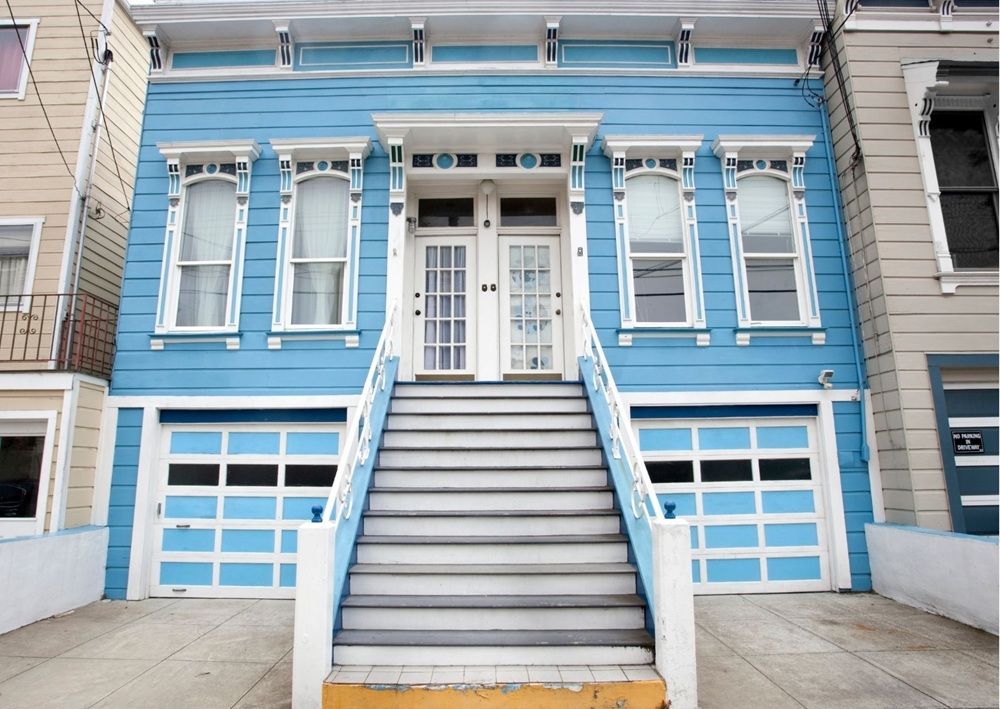
There are several common duplex types and configurations found in today’s duplex real estate market. Some duplex units are designed side-by-side, where both homes sit next to each other and share a central wall. Others are stacked vertically, meaning one unit is located upstairs while the second unit occupies the lower floor. Both layouts provide separate living environments while sharing portions of the building structure.
Duplex ownership can also vary depending on the market and local zoning regulations. In many cases, one owner controls the entire duplex house and either rents out both units or occupies one side personally. However, in certain markets, duplex units may be separately owned, similar to townhomes or condominiums, where each owner is responsible for their individual unit while sharing maintenance responsibilities for common areas.
Because duplexes offer flexibility, affordability, and rental potential, they continue to grow in popularity among homeowners, renters, and real estate investors alike.
What Does Duplex Mean in Real Estate?
From a real estate perspective, the Duplex Meaning refers to a multi-family residential property that contains two separate living spaces within one structure. In Duplex Real Estate terminology, a duplex is classified as a small multi-unit property because it includes two independent Duplex Units that can be occupied by owners, renters, or a combination of both. Each unit typically has its own entrance, kitchen, bathrooms, and living areas while sharing structural components such as a wall, roof, or floor.
A Duplex Property is commonly zoned for multi-family
residential
use, although zoning regulations may vary by city or municipality. Some duplexes are owned entirely by one person who rents out one or both units, while others may feature separate Duplex Ownership structures similar to townhomes or condominiums. Because of their flexibility and rental potential, duplexes are considered one of the most accessible entry points into residential real estate investing.
How Does a Duplex Work?
Understanding how a duplex works is important for anyone considering duplex living, duplex ownership, or duplex investment opportunities. A duplex functions as one residential building that contains two separate living units connected by shared structural elements such as a wall, roof, ceiling, or floor. Even though the structure is connected, each unit operates independently and typically includes its own private entrance, kitchen, bathrooms, bedrooms, and living spaces.
Utilities and maintenance arrangements can vary depending on the duplex property. Some duplexes have fully separate utility systems for electricity, water, and gas, while others may share certain services that are managed by the property owner. Maintenance responsibilities may also differ, especially when the duplex is owner-occupied versus fully rented out.
Duplexes offer flexible rental possibilities. Some owners lease both duplex units as income-producing rentals, while others choose an owner-occupied model where they live in one side and rent the other. This setup is commonly known as “House hacking,” a popular duplex investment strategy that helps owners offset mortgage payments and build long-term equity through rental income.
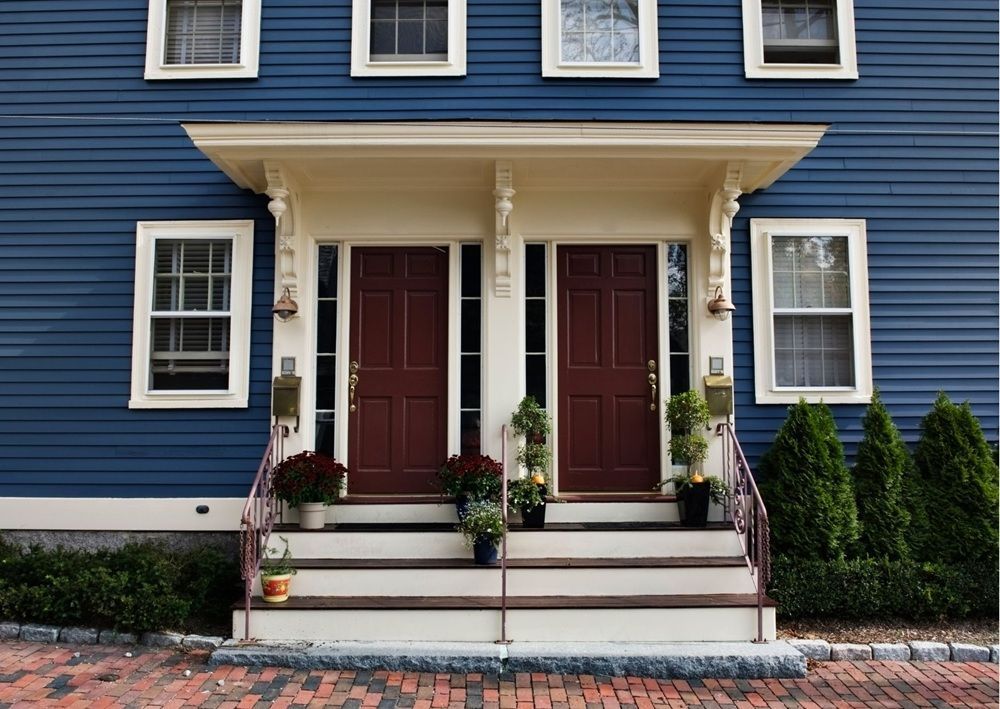
What Does a Duplex Look Like? Duplex Design and Duplex Layout Explained
A duplex can look very similar to a traditional single-family home from the outside, but inside, it contains two completely separate living spaces designed for independent households. Duplex homes are built to provide privacy while still sharing portions of the overall structure. Most duplexes include mirrored or similar floor plans, meaning each side often has a nearly identical layout with matching room sizes, kitchens, bathrooms, and living areas. In many cases, residents share exterior elements such as driveways, yards, garages, or outdoor walkways while maintaining separate entrances and private indoor living spaces.
The appearance of a duplex house can vary widely depending on location, architectural style, and property size. Some duplexes are designed to blend into suburban neighborhoods with the appearance of a large home, while others are built as modern urban properties with sleek finishes and compact layouts. Duplex design has evolved significantly over the years, making duplexes appealing to homeowners, investors, renters, and multigenerational families alike.
Because duplexes combine the feel of a home with the flexibility of multi-unit living, they continue to be one of the most versatile property types in today’s duplex real estate market.
Common Duplex Design Styles
Duplex design styles can range from classic residential architecture to modern luxury developments. Traditional duplex homes are commonly found in suburban neighborhoods and often resemble large single-family houses divided into two mirrored living spaces. These homes usually feature pitched roofs, attached garages, and shared outdoor areas.
Modern duplex design focuses on open floor plans, large windows, energy-efficient materials, and contemporary finishes. Many newer duplex houses are designed with sleek exteriors and functional layouts that appeal to younger homeowners and investors.
In urban areas, duplex apartments are popular because they maximize space while providing more privacy than standard apartment buildings. Some luxury duplex properties include upscale finishes, rooftop decks, smart-home technology, private garages, and premium outdoor living spaces. Contemporary duplex houses may also include flexible layouts designed for multigenerational living or rental income opportunities, making them highly desirable in competitive housing markets.
Side-by-Side vs Stacked Duplex Layout
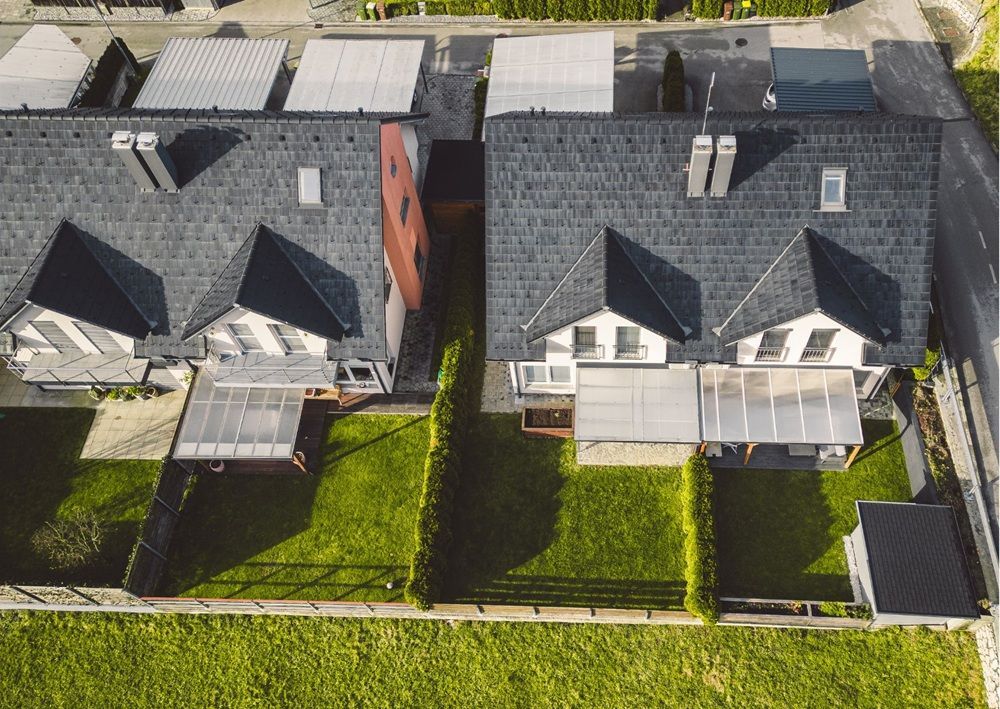
Duplex layouts generally fall into two main categories: side-by-side duplexes and stacked duplexes. A side-by-side duplex, sometimes called a horizontal duplex, places both living units next to each other with a shared central wall. This layout often provides better privacy because residents do not live directly above or below one another. Side-by-side duplex units also typically offer separate driveways, garages, yards, or patios.
A stacked duplex, also known as a vertical duplex, places one unit on the lower floor and the second unit above it. This design is more common in urban environments where lot space is limited. While stacked layouts can maximize land use, they may involve additional noise considerations because residents share ceilings and floors.
Duplex features often vary depending on the layout. Side-by-side duplexes may offer more outdoor space and private entrances, while stacked duplexes may focus on compact efficiency and affordability. Parking arrangements, storage areas, laundry spaces, and shared outdoor amenities can also differ depending on the duplex property design.
Typical Duplex Features
Most duplex homes include features that provide a balance between apartment convenience and single-family home comfort. Common duplex features include private entrances for each unit, separate kitchens, independent living areas, and dedicated bedrooms and bathrooms. Many duplexes also offer garages, driveways, laundry rooms, and additional storage spaces.
Outdoor amenities are another major advantage of duplex living. Depending on the property, residents may have access to shared yards, patios, balconies, fenced outdoor areas, or private garden spaces. Some
duplex properties also include separate utility systems for electricity, water, and gas, allowing each unit to function more independently. These features make duplexes attractive for families, renters, and investors seeking both functionality and flexibility.
Duplex Types and Different Duplex Configurations
There are several duplex types found throughout today’s residential real estate market, and each configuration offers different benefits depending on lifestyle, budget, location, and investment goals. While all duplexes contain two separate living units within one structure, the layout, ownership model, and intended use can vary significantly. Understanding these different duplex configurations helps buyers, renters, and investors determine which type of duplex property best fits their needs.
Some duplex homes are designed as traditional side-by-side residences with mirrored floor plans, while others feature stacked layouts with one unit above the other. In urban areas, duplexes may resemble modern apartment-style properties, whereas suburban duplexes often look nearly identical to single-family homes from the street. Duplex real estate can also include owner-occupied properties, full rental investments, or even separately owned units similar to townhomes.
Another important distinction is how the property is used. Certain duplexes are built specifically for long-term rental income, while others are intended for multigenerational living, allowing family members to live close together while maintaining privacy. Some buyers also choose duplexes as a flexible way to offset housing costs by renting one side while living in the other.
Because duplexes combine residential comfort with investment potential, they continue to attract first-time buyers, experienced investors, growing families, and renters seeking more space and privacy than traditional apartments.
Duplex Apartment vs Duplex House
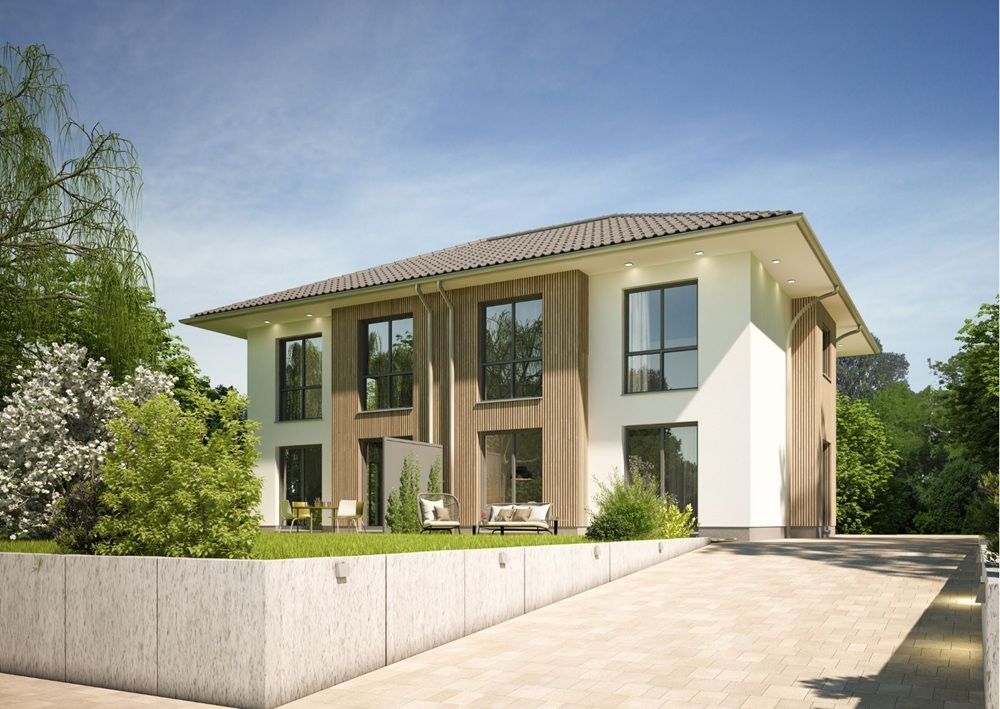
The terms duplex apartment and duplex house are often used interchangeably, but they can refer to different types of living spaces depending on the market and property style. A duplex house typically refers to a residential building divided into two separate living units within one structure. These duplex homes usually feature independent entrances, separate kitchens, private living areas, and shared structural components such as walls or roofs. Duplex houses are commonly found in suburban neighborhoods and are popular for both owner-occupied and rental use.
A duplex apartment, on the other hand, may refer to a two-level apartment unit located within a larger apartment or condominium building. In many urban markets, luxury duplex apartments feature internal staircases connecting two floors inside a single residence, creating a spacious and upscale living experience. These properties often include high-end finishes, open-concept layouts, balconies, and premium amenities.
While duplex
houses
focus on two separate households sharing one structure, duplex apartments often emphasize luxury, vertical living, and modern urban design within larger residential developments.
Duplex vs Triplex
When comparing duplex vs triplex properties, the biggest difference is the number of residential units within the building. A duplex contains two separate living units, while a triplex includes three independent units within one structure. Both property types fall under multi-family real estate, but they offer different advantages depending on the owner’s financial goals, lifestyle preferences, and investment strategy.
From an ownership perspective, duplexes are often considered easier to manage because there are fewer tenants, lower maintenance demands, and fewer shared spaces to oversee. Triplexes, however, may generate higher rental income potential because they include an additional unit that can produce monthly cash flow. For investors focused on maximizing rental revenue, a triplex may provide stronger long-term income opportunities.
Privacy is another important factor. Duplex living generally offers more privacy because residents only share the building with one neighboring household, while triplexes involve more shared walls, parking arrangements, and common areas. Financing can also differ between the two property types. Duplex financing is often simpler and may qualify for residential mortgage programs more easily, while triplexes can involve stricter lending requirements due to their increased rental and investment characteristics.
Other Multi-Unit Properties
Beyond duplexes and triplexes, there are several other types of multi-unit residential properties in today’s real estate market. A quadplex contains four separate living units within one structure and is often used as a larger income-producing investment property. Townhomes are attached residences that share walls with neighboring homes but are individually owned and typically include separate entrances and private ownership responsibilities.
The broader category of multi-family properties includes duplexes, triplexes, apartment buildings, and other residential structures designed for multiple households. Another increasingly popular option is the accessory dwelling unit, or adu, which is a smaller secondary home built on the same lot as a primary residence, often used for guests, rentals, or multigenerational living.
Duplex Advantages and Duplex Benefits for Homeowners and Renters
One of the main reasons duplexes continue to grow in popularity is the wide range of duplex advantages they offer to homeowners, renters, and real estate investors. Duplex living combines many of the comforts of a traditional home with the affordability and flexibility often associated with smaller multi-family properties. Whether someone is searching for additional space, rental income opportunities, or a more private living environment, duplex homes provide a unique balance that appeals to many lifestyles.
Compared to large apartment complexes, duplexes typically offer a quieter and more residential atmosphere. Since residents usually share the property with only one neighboring household, duplex living often feels more private and less crowded. Many duplex properties also include features that are difficult to find in standard apartment buildings, such as garages, yards, patios, driveways, and private entrances. These added conveniences can make duplexes especially attractive to families, pet owners, and individuals WHO want more personal space.
Affordability is another major duplex benefit. In many housing markets, duplexes provide a lower-cost alternative to single-family homes while still delivering many of the same lifestyle advantages. Renters may gain access to larger floor plans and outdoor spaces without paying the premium cost of renting an entire house. For buyers, duplex ownership can create opportunities to offset mortgage expenses through rental income by leasing one side of the property.
Duplex investment opportunities also make these properties attractive to long-term investors. Many owners use duplexes as income-producing assets, generating monthly cash flow while building equity over time. Some choose an owner-occupied approach where they live in one unit and rent the other, reducing overall housing expenses through a strategy commonly referred to as house hacking.
Another reason duplexes remain popular is their flexibility for multigenerational living. Families can live close together while still maintaining separate living spaces and Independence. This setup can work well for aging parents, adult children, or extended family members WHO want proximity without fully sharing a household.
Because duplexes combine privacy, functionality, affordability, and investment potential, they continue to be one of the most versatile residential property types in today’s real estate market.
Duplex Living Offers More Space
One of the biggest advantages of duplex living is the amount of space it can provide compared to traditional apartments. Many duplex homes feature larger floor plans with multiple bedrooms, spacious living areas, dedicated dining spaces, and additional storage. Unlike many apartment buildings, duplexes often include outdoor access through private patios, fenced yards, balconies, or shared green spaces.
Many duplex properties also offer garages, driveways, and laundry rooms, adding convenience and functionality for residents. These features make duplexes especially appealing for pet owners because they often provide easier outdoor access and a more pet-friendly environment. Duplex living also tends to offer more privacy than apartment complexes since residents usually share walls with only one neighboring household rather than dozens of nearby units.
Duplexes Can Be More Affordable
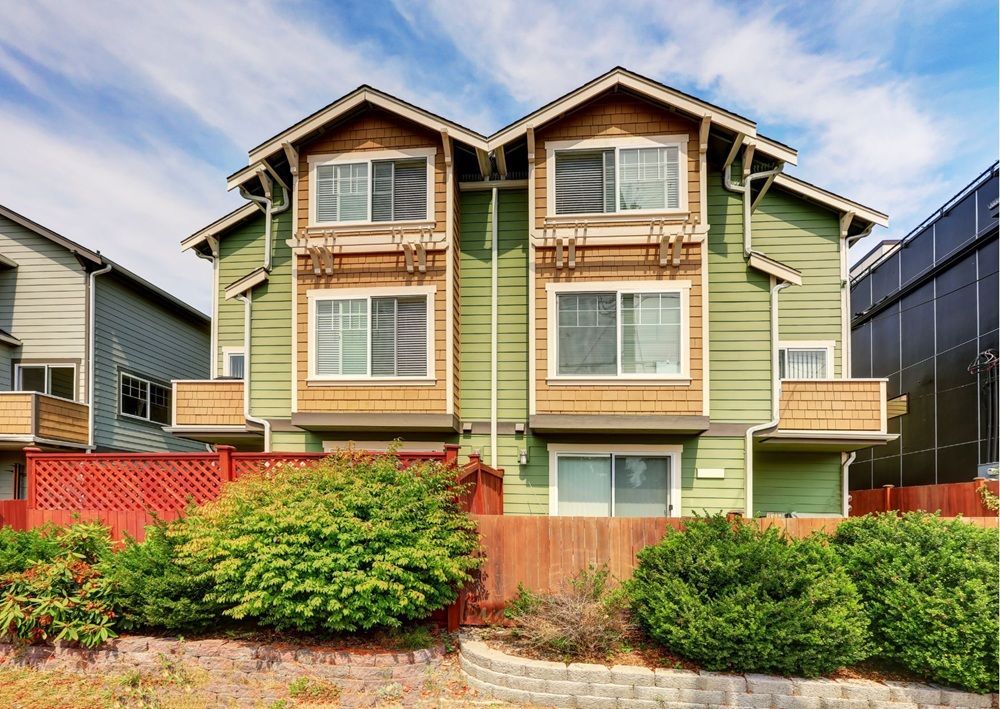
One of the most appealing duplex benefits is affordability. In many housing markets, duplex homes often cost less than comparable single-family homes while still offering many of the same residential features and living space. Because the property is divided into two separate units, the overall cost of land, construction, and maintenance is effectively shared, helping reduce ownership expenses.
For buyers, duplex ownership can create valuable rental income opportunities. Many owners choose to live in one unit while renting out the other, using the monthly rent to offset mortgage payments, property taxes, insurance, or maintenance costs. This setup can significantly reduce overall living expenses and make homeownership more financially manageable.
Renters may also benefit from duplex living because duplex units often provide more space, outdoor access, and residential features at a lower price than renting a full single-family house. These cost-saving advantages make duplexes attractive for both homeowners and tenants seeking affordability without sacrificing comfort.
Duplex Properties Are Popular for Multigenerational Living
Duplex properties are especially popular for multigenerational living because they allow family members to stay close while still maintaining privacy and Independence. Many families use duplex homes to accommodate aging parents, adult children, or extended relatives WHO may need nearby support without sharing the same household full-time.
Because each duplex unit typically includes separate entrances, kitchens, bathrooms, and living areas, residents can enjoy independent living spaces while remaining only steps away from one another. This setup creates a practical balance between togetherness and personal space. Duplex living can also provide flexible guest accommodations for visiting relatives or long-term family stays, making it a convenient housing solution for changing family needs over time.
Duplex Investment Opportunities
Duplexes are considered one of the most attractive entry points into real estate investing because they combine residential living with income-producing potential. One of the biggest duplex investment advantages is the opportunity to generate rental income from one or both units. Many investors purchase duplex properties specifically to create steady monthly cash flow while benefiting from long-term property appreciation.
A popular strategy known as “House hacking” involves living in one side of the duplex while renting out the other unit. In many cases, the rental income can help cover mortgage payments, utilities, property taxes, insurance, and maintenance expenses, making homeownership significantly more affordable. This approach allows owners to build equity while reducing their personal living costs.
Duplex homes may also appreciate in value over time, especially in growing real estate markets where rental demand remains strong. Because duplexes provide both housing flexibility and investment potential, they are often viewed as lower-risk opportunities for first-time investors seeking long-term equity growth and additional passive income streams.
Duplex Rental and Duplex Ownership Considerations
Owning or renting a duplex can offer flexibility, affordability, and income potential, but it also comes with unique responsibilities and considerations. Unlike traditional single-family homes or large apartment complexes, duplex properties operate in a middle ground between residential living and small-scale multi-family real estate. Understanding how duplex rental arrangements and duplex ownership structures work is important for homeowners, renters, and investors before making a purchase or signing a lease.
One of the key advantages of duplex living is flexibility. A duplex can function as a long-term investment property, an owner-occupied residence, or a shared family housing solution. Some owners rent out both duplex units as income-producing properties, while others choose to live in one unit and lease the second unit to offset monthly expenses. This flexibility allows duplexes to serve both lifestyle and financial goals.
However, duplex ownership also involves ongoing responsibilities. Owners may be responsible for maintenance, repairs, landscaping, utility coordination, insurance, parking management, and tenant communication. Shared walls, driveways, yards, or outdoor spaces may require cooperation between residents, especially in owner-occupied setups. Privacy, noise levels, and maintenance expectations can all impact the overall living experience.
For renters, duplexes often provide more space and privacy than apartment buildings while still offering the convenience of a rental property. Many duplex rentals are managed by private landlords rather than large property management companies, which can create a more personal rental experience. However, maintenance processes and rules may vary depending on the owner and property structure.
Because duplexes combine residential comfort with investment potential, they remain one of the most versatile property types for homeowners, renters, and real estate investors alike.
What Is a Duplex Rental?
A duplex rental refers to one or both living units within a duplex property being leased to tenants. In some cases, a property owner rents out a single unit while personally living in the other side of the duplex. This owner-occupied setup is common among homeowners WHO want to reduce living expenses through rental income while remaining close to the property for maintenance and management.
Other duplex properties may be fully leased, with both units rented to separate tenants as income-producing investments. Many duplex rentals are managed by private landlords rather than large apartment management companies, which can create a more residential and personalized living experience. Depending on the property, tenants may share outdoor spaces, parking areas, driveways, or other common amenities.
Duplex Ownership Responsibilities
Owning a duplex comes with additional responsibilities compared to renting a standard apartment or owning a single-family home. Because duplex properties contain two separate living units within one structure, owners are often responsible for managing shared spaces, coordinating maintenance, and ensuring both units remain safe and functional.
Maintenance responsibilities may include handling plumbing issues, roofing, exterior upkeep, appliance servicing, and general property repairs. Shared spaces such as driveways, yards, walkways, fences, garages, or laundry areas may also require regular upkeep and clear agreements between residents or tenants. Lawn care and landscaping are common responsibilities for duplex owners, especially in owner-occupied properties without professional management services.
Utilities can vary depending on the duplex layout. Some duplexes have separate meters for electricity, water, and gas, while others may share certain utility systems that the owner manages directly. Duplex ownership also requires proper insurance coverage, including protection for the structure, liability concerns, and rental-related risks if tenants occupy one or both units.
Parking management is another important consideration, particularly when outdoor space is limited. Clear parking arrangements and maintenance expectations can help prevent disputes and create a smoother living experience for everyone involved.
Challenges of Duplex Living
While duplex living offers many benefits, there are also challenges that homeowners and renters should consider before choosing a duplex property. One of the most common concerns involves shared walls, floors, or ceilings, which can sometimes lead to noise issues depending on the building’s construction and insulation quality. Loud neighbors, pets, or differing schedules may affect comfort and privacy more than in a detached single-family home.
Privacy can also become a challenge when residents share driveways, yards, garages, or outdoor spaces. Because duplexes often place households in close proximity, maintaining positive neighbor relationships is important for a comfortable living experience. Maintenance coordination may also require additional communication, especially when repairs affect shared areas or utility systems. In owner-occupied duplexes, living next to tenants can create both convenience and additional responsibilities for the property owner.
Duplex Vs Apartment: Which Is Better?
When comparing duplex vs apartment living, the right choice often depends on lifestyle preferences, budget, privacy needs, and long-term goals. While both options provide residential housing without requiring ownership of a detached home, duplexes and apartments offer very different living experiences.
A duplex property typically feels more like a traditional home because it contains only two living units within one structure. Residents usually enjoy larger layouts, private entrances, outdoor access, and fewer shared common areas. Apartments, on the other hand, are usually located within larger multi-unit buildings that may house dozens or even hundreds of residents. Apartment communities often provide amenities such as fitness centers, pools, security systems, and on-site maintenance, but they may offer less privacy and personal space.
Duplex living is often preferred by renters or homeowners seeking a quieter and more residential environment without the cost of purchasing a full single-family home. Many duplex homes include garages, yards, patios, and driveways, features that are less common in standard apartment complexes. Duplexes can also provide more flexibility for pet owners, families, or individuals WHO want extra storage and outdoor space.
Apartments may still be a better option for those WHO prioritize convenience, centralized maintenance, or access to shared community amenities. Large apartment buildings often have professional management teams and standardized maintenance services that simplify the rental experience. Duplexes, by comparison, are frequently managed by private landlords, which can create a more personal but sometimes less structured environment.
Ultimately, the decision between a duplex and an apartment comes down to whether someone values additional space, privacy, and residential features or prefers the convenience and amenities commonly found in apartment communities.
Privacy and Lifestyle Differences
One of the biggest differences between duplex vs apartment living is the level of privacy and personal space. Duplexes typically have fewer neighbors because residents share the property with only one other household instead of an entire apartment complex. This often creates a quieter and more residential atmosphere with less hallway traffic, fewer shared walls, and reduced noise levels.
Duplex homes also tend to provide more personal space, including larger living areas, garages, patios, driveways, and outdoor access. Many duplex properties include shared or private yard spaces, which can be especially appealing for families, pet owners, or individuals WHO enjoy outdoor living. Apartments may offer convenience and amenities, but duplexes often provide a more home-like lifestyle experience overall.
Maintenance and Management Differences
Another important difference between duplex vs apartment living involves property management and maintenance. Apartment complexes are typically operated by professional property management companies that handle repairs, landscaping, maintenance requests, and building operations through standardized systems. This can provide faster response times and more structured maintenance services for tenants.
Duplex properties, however, are often owned and managed by private landlords WHO may live on-site or nearby. While this can create a more personal rental experience and direct communication, maintenance response times may vary depending on the owner’s availability and resources. Duplex residents may also share certain responsibilities involving outdoor spaces, parking areas, lawn care, trash collection, or shared amenities, especially in owner-occupied or smaller rental properties.
Cost Differences Between Duplexes and Apartments
Cost is another major factor when comparing duplexes and apartments. Duplex rentals are often priced between traditional apartments and single-family homes, offering more living space and residential features at a lower cost than renting an entire house. Because duplexes typically split the cost of the property between two units, renters may gain access to larger layouts, garages, yards, and private entrances without dramatically increasing monthly rent.
Utility structures can vary depending on the duplex property. Some duplexes have separate utility meters, while others may include shared utility arrangements managed by the landlord. Parking costs are also often lower because many duplexes include driveways or garages. Unlike apartment communities, duplexes may offer fewer luxury amenities such as pools or fitness centers, but they frequently provide more privacy, outdoor space, and a home-like living experience.
Duplex Market Trends and Buying a Duplex For Sale
The duplex market has continued to grow in popularity as buyers search for more flexible and affordable housing options in today’s competitive real estate environment. Rising home prices, increasing rental demand, and changing family living arrangements have all contributed to stronger interest in duplex properties across many cities and suburban communities. Buyers are increasingly attracted to duplexes because they offer the opportunity to combine homeownership with income potential, making them appealing to both first-time buyers and experienced real estate investors.
Unlike traditional single-family homes, duplex homes can serve multiple purposes at once. Some buyers purchase duplexes as long-term duplex investment properties, while others use them for multigenerational living or owner-occupied rental setups. Duplexes also appeal to renters seeking more space, privacy, and outdoor access than standard apartment living typically provides. As affordability challenges continue to affect housing markets, duplexes are becoming an increasingly practical option for households looking to maximize both value and flexibility.
Investor demand has also played a major role in the growing popularity of duplexes. Many buyers recognize the long-term benefits of owning a property that can generate rental income while potentially appreciating in value over time. Because duplexes often qualify for residential financing programs while still functioning as income-producing assets, they remain one of the most attractive entry points into real estate investing.
Why Duplexes Are Popular in Today’s Real Estate Market
Several factors have contributed to the increasing demand for duplex homes in today’s real estate market. Rising housing costs have made duplexes attractive because they often provide a more affordable alternative to single-family homes while still offering additional space and privacy. Many buyers are also drawn to the rental income potential that duplexes can provide through owner-occupied or fully leased arrangements.
Flexible living arrangements have become another major advantage, especially for multigenerational families who want to live close together while maintaining independent living spaces. Investor demand has also increased because duplexes offer opportunities for monthly cash flow, long-term appreciation, and equity growth. As housing needs continue to evolve, duplexes remain one of the most versatile residential property options available.
What to Look for in a Duplex For Sale
When searching for a duplex for sale, buyers should carefully evaluate both the property’s condition and its long-term investment potential. Parking availability is one of the most important considerations, especially in areas where street parking may be limited. Many duplex buyers also look for separate utility systems because independently metered electricity, water, and gas can simplify tenant management and expense tracking.
Understanding local zoning regulations is equally important since duplex classifications and rental rules may vary by municipality. Buyers should also evaluate the condition of the property, including the roof, plumbing, electrical systems, windows, and shared structural components. Deferred maintenance can significantly increase future ownership costs.
Shared spaces such as driveways, yards, garages, storage areas, and laundry rooms should also be reviewed carefully to determine how responsibilities and access may be divided between occupants. For investors, analyzing local rental demand and projected rental income is essential when determining profitability. Buyers should additionally consider resale potential by evaluating the property’s location, neighborhood growth, condition, and overall desirability within the local duplex real estate market.
Is a Duplex Right for You?
A duplex can be an excellent housing option for many types of buyers and renters, but the right fit depends on your lifestyle, financial goals, and long-term plans. Duplex living offers a unique combination of residential comfort, flexibility, and income potential that appeals to a wide range of people in today’s housing market.
For first-time buyers, duplex homes can provide a more affordable path into homeownership, especially when one unit is rented out to help offset mortgage expenses. Investors are often attracted to duplexes because they can generate rental income, build long-term equity, and create cash flow opportunities through owner-occupied or full-rental setups.
Families and renters may appreciate the additional living space, outdoor access, garages, and quieter environment that duplexes often provide compared to apartment buildings. Duplex properties are also highly popular among multigenerational households because they allow aging parents, adult children, or extended family members to live nearby while still maintaining independent living spaces. Downsizers may also find duplexes appealing because they offer a balance between manageable property size and residential privacy.
Before purchasing or renting a duplex, it is important to evaluate your personal lifestyle preferences, monthly budget, privacy expectations, investment goals, and willingness to handle maintenance responsibilities. Some people prioritize rental income and flexibility, while others value quiet living and extra space. Understanding your priorities can help determine whether duplex ownership or duplex living is the right long-term choice for you.
Conclusion
Understanding what is a duplex can help buyers, renters, and investors make smarter real estate decisions in today’s evolving housing market. A duplex is a residential property containing two separate living units within one structure, offering a unique combination of privacy, flexibility, and financial opportunity. Whether someone is exploring duplex living, searching for a duplex rental, or considering duplex ownership for investment purposes, duplexes continue to stand out as one of the most versatile property types available.
Throughout this guide, we explored the duplex definition, different duplex types, and the key differences between duplex vs apartment and duplex vs triplex living. We also discussed many of the most important duplex benefits, including larger living spaces, outdoor access, rental income opportunities, and affordability compared to single-family homes. For many buyers, duplex investment opportunities such as house hacking, cash flow generation, and long-term equity growth make duplexes especially attractive.
At the same time, owning or renting a duplex comes with responsibilities involving maintenance, shared spaces, utilities, and tenant or neighbor relationships. Evaluating lifestyle preferences, privacy expectations, investment goals, and maintenance expectations is essential before choosing a duplex property.
What is a duplex? It is one of the most flexible and practical property types in today’s real estate market, offering a balance of privacy, affordability, and income potential for homeowners, renters, and investors alike.
FAQ Section
What is a duplex?
A duplex is a residential building that contains two separate living units within one structure. Each unit usually has its own entrance, kitchen, bathrooms, bedrooms, and living areas while sharing certain structural elements like a wall, roof, or floor. Duplexes can be side-by-side or stacked vertically.
What does duplex mean in real estate?
In Duplex Real Estate terminology, a duplex refers to a small multi-family property with two independent residential units. Duplex properties may be owner-occupied, fully rented, or sometimes separately owned depending on local zoning and ownership structures.
What is a duplex apartment?
A Duplex Apartment can refer to a two-level apartment connected by an internal staircase within a larger building. This differs from a Duplex House, which usually consists of two separate residential units sharing one structure.
How does a duplex work?
A duplex works by providing two separate living spaces within one building. The units may share structural elements but usually have private entrances and separate living areas. Some duplexes are fully rented, while others are owner-occupied with one side leased to tenants.
What is a duplex home?
A Duplex Home is a residential property designed for two households. These homes offer independent living spaces while sharing certain structural components, making them popular for families, renters, and investors.
What is a duplex property?
A Duplex Property is a type of multi-family real estate containing two separate residential units within one building. Duplexes are commonly used for rental income, multigenerational living, or owner-occupied housing strategies.
What is a duplex rental?
A Duplex Rental refers to one or both units of a duplex being leased to tenants. Some owners live in one side while renting the other, while investors may rent out both units as income-producing properties.
What is a duplex unit?
A Duplex Unit is one individual living space within a duplex building. Each unit typically includes its own entrance, kitchen, bathrooms, bedrooms, and living areas.
What are the advantages of a duplex?
Some of the biggest Duplex Advantages include affordability, additional living space, rental income opportunities, outdoor access, and more privacy compared to large apartment buildings. Duplexes also offer flexible living arrangements for families and investors.
What are duplex benefits for investors?
Duplex Investment opportunities include monthly rental income, long-term appreciation, equity growth, and house hacking strategies. Investors often purchase duplexes because they can live in one unit while renting out the other to offset ownership costs.
What is the difference between duplex vs apartment?
The main difference between Duplex Vs Apartment living is privacy and layout. Duplexes usually have fewer neighbors, larger living spaces, private entrances, and outdoor access, while apartments often provide community amenities and professional property management.
What is the difference between duplex vs triplex?
A duplex contains two living units, while a triplex includes three. Triplexes may generate more rental income but often involve more maintenance, more tenants, and less privacy compared to duplex properties.
Are duplexes good investments?
Yes, duplexes are often considered strong real estate investments because they can produce rental income while also appreciating in value over time. Many investors use duplexes to build equity and generate long-term cash flow.
Can you live on one side of a duplex and rent the other?
Yes. This owner-occupied setup is commonly called house hacking. Many buyers choose this strategy to reduce mortgage expenses by collecting rental income from the second unit.
Are duplexes cheaper than single-family homes?
In many markets, duplexes are more affordable than comparable single-family homes because the property costs are shared between two units. Rental income opportunities can also help reduce overall ownership expenses.
Do duplexes have separate utilities?
Some duplexes have separate utility meters for electricity, water, and gas, while others may share certain utility systems. Utility arrangements depend on the property’s design and ownership structure.
Are duplex apartments good for families?
Yes. Duplex apartments and duplex homes often provide more space, privacy, and flexibility than standard apartments. They can work especially well for families, pet owners, and multigenerational households.
What should you look for when buying a duplex for sale?
When purchasing a Duplex For Sale, buyers should evaluate the property’s condition, zoning regulations, parking availability, utility setup, shared spaces, maintenance needs, rental demand, and long-term resale potential.
Housing for International Students: A Complete Guide to Global Student Housing Options