

Housing for International Students: A Complete Guide to Global Student Housing Options

Development X • 16 April 2026

Why Housing for International Students Matters

Finding the right Housing for International Students is one of the most important decisions when studying abroad. It goes beyond simply choosing a place to stay—it directly impacts a student’s comfort, academic success, and overall experience in a new country. The transition into International Student Living often comes with challenges such as adapting to a new culture, managing independence, and navigating unfamiliar systems. A well-chosen living arrangement can reduce stress, provide stability, and create a strong foundation for success.

Whether students choose Accommodation For International Students on campus or explore Global Student Housing options off campus, their environment plays a major role in shaping daily routines and long-term outcomes. Safe, convenient, and supportive housing allows students to focus on their studies, build meaningful connections, and fully engage in their academic journey. Ultimately, the right International Student Housing choice can transform a potentially overwhelming experience into one that feels manageable, enriching, and rewarding.

Seven young adults smiling together indoors, dressed casually, highlighting diversity, friendship, and inclusivity.

Housing Shapes the Study Abroad Experience

The quality of International Student Living significantly influences a student’s ability to adapt and succeed abroad. Comfortable and well-located housing reduces commute time, improves focus, and supports better academic performance. At the same time, a stable living environment helps reduce stress and homesickness, which are common challenges for students studying in a new country. Whether it’s a quiet dorm room or a shared apartment, the right housing setup creates a sense of balance that allows students to thrive both academically and personally.

More Than Just a Place to Stay

International Student Housing is more than just accommodation—it is a gateway to community, safety, and cultural immersion. Living arrangements often determine how easily students connect with others, participate in campus life, and experience local culture. Options like dormitories and homestays can foster social interaction and provide built-in support systems, while independent housing offers freedom and personal growth. A well-chosen living environment helps students feel secure, welcomed, and connected, making their study abroad experience more meaningful and fulfilling.

Types of Housing for International Students

Understanding the different types of Housing Options For International Students is essential for making an informed decision. There is no one-size-fits-all solution—each type of International Student Accommodation offers unique benefits and challenges depending on lifestyle, budget, and personal preferences. From structured university housing to independent living arrangements, Global Housing For Students is designed to meet a wide range of needs. By exploring these options, students can choose the best Living Arrangements For International Students that align with their academic goals and comfort level.


Two students with backpacks and laptop studying at outdoor table in front of ornate brick university building.

On-Campus Housing

On-campus housing is one of the most popular forms of Housing For International Students, especially for first-year or exchange students. University dormitories provide a structured environment with easy access to classes, libraries, and campus facilities. These spaces often include shared rooms, communal kitchens, and study areas. Many institutions have eligibility requirements, such as full-time enrollment, and may require applications, deposits, or agreements. This type of International Student Residence offers convenience and built-in community support, making it ideal for students new to studying abroad.

Off-Campus Housing

Off-campus International Students Housing includes apartments, shared homes, and private rentals located outside the university. This option offers greater independence and flexibility, allowing students to choose their preferred location and lifestyle. It is a common choice for those seeking privacy or wanting to live with friends. However, it requires more responsibility, including managing rent, utilities, and commuting. Housing For Foreign Students off campus can be ideal for those comfortable navigating local rental markets and living independently.

Purpose-Built Student Accommodation (PBSA)

Purpose-Built Student Accommodation (PBSA) is a modern form of International Student Housing Solutions specifically designed for students. These residences typically include fully furnished rooms, high-speed internet, communal lounges, and security features. Located near universities, PBSAs offer a balance between independence and support. They are a popular choice in many countries, particularly for Global Student Housing, as they provide convenience, safety, and a student-focused living environment.

Homestays

Homestays are a unique type of Accommodation For Foreign Students where students live with a local host family. This option offers a more immersive cultural experience, allowing students to learn about local customs, language, and daily life. Homestays often include meals and a supportive home environment, making them ideal for younger students or those seeking guidance. While this type of International Student Living requires adapting to household routines, it provides comfort and a strong sense of belonging.

Apartments and Shared Housing

Apartments and shared housing offer flexibility and independence in Housing For Students Abroad. Students can rent private units or share spaces with roommates to reduce costs. This option provides more control over daily routines and lifestyle while still offering opportunities for social interaction.

Hostels and Temporary Housing

Hostels and short-term rentals are practical solutions for temporary Housing For Study Abroad Students. These budget-friendly options are often used upon arrival while searching for long-term accommodation. While affordable and convenient, they typically offer limited privacy and are best suited for short stays.

On-Campus vs Off-Campus Housing for International Students

Choosing between on-campus and off-campus Housing For International Students is one of the most important decisions students will make. Each option offers distinct advantages depending on lifestyle preferences, budget, and level of independence. Understanding the differences helps students select the most suitable International Student Housing for their needs.

Three individuals sitting on stone steps surrounded by cardboard boxes and duffel bag outside dormitory entrance.

Benefits of On-Campus Housing

On-campus International Student Residence offers unmatched convenience. Students live close to classrooms, libraries, and campus resources, reducing commute time and simplifying daily routines. It also provides a built-in community, making it easier to meet peers and participate in campus activities. This structured environment is especially beneficial for students adjusting to a new country, as it offers support services and a sense of security.

Benefits of Off-Campus Housing

Off-campus Housing For Global Students provides greater independence and flexibility. Students can choose where they live, who they live with, and how they manage their daily schedules. This option often allows for more privacy and can better reflect personal lifestyle preferences. It is ideal for students who are comfortable navigating local systems and want more control over their International Student Living experience.

University Rules and Eligibility

University policies often influence housing choices. Some institutions require younger or unmarried students to live on campus, while others allow more flexibility based on age, marital status, or program type. Full-time enrollment and financial standing may also affect eligibility. Understanding these rules is essential when planning Housing For International Students In America or other destinations.

How to Find Housing for Study Abroad Students

Securing the right Housing For Study Abroad Students requires planning, research, and proactive decision-making. The process can feel overwhelming, especially when navigating unfamiliar systems, but following a structured approach makes it much more manageable. By combining university resources with external tools, students can find suitable International Housing For Students that meets their needs and budget.

Start Your Search Early

Starting early is one of the most important steps in finding International Student Accommodation. Housing options can fill up quickly, especially in popular university cities. Early planning gives students more choices, better pricing options, and time to compare different types of Global Student Housing before making a decision.

Use University Housing Resources

Universities often provide valuable Housing Resources For International Students, including housing portals, accommodation guides, and support from international offices. These resources are reliable and tailored specifically for students, making them one of the safest ways to begin your search for International Student Housing.

Explore Online Platforms and Listings

Online platforms dedicated to International Students Housing offer a wide range of options, from apartments to student residences. These platforms allow students to filter listings based on location, price, and amenities, making it easier to compare and shortlist suitable options.

Network With Other Students

Connecting with current students or online communities can provide valuable insights into Housing For Non Local Students. Peer recommendations often reveal practical details about neighborhoods, landlords, and living conditions that may not be visible in listings.

Prepare Documents and Deposits

To secure Accommodation For International Students, students should be ready with necessary documents such as identification, visa information, and proof of income or enrollment. Many landlords require deposits or advance rent payments, so being prepared can help speed up the process and secure preferred housing options.

Four students with backpacks and books walking together in front of ornate university building with arched windows.

Key Factors to Consider in International Student Accommodation

Choosing the right International Student Accommodation requires more than just finding a place within budget. Students must evaluate multiple factors to ensure their Housing for International Students supports both academic success and daily comfort. From location to legal agreements, every detail plays a role in shaping the overall International Student Living experience. By carefully assessing these elements, students can avoid common pitfalls and secure housing that is safe, convenient, and aligned with their needs.

Location and Accessibility

Location is one of the most important factors when selecting Housing For Students Abroad. Living close to campus reduces commute time and transportation costs, making daily routines more efficient. Access to public transportation, grocery stores, healthcare facilities, and other essential services is equally important. A well-located Accommodation For International Students ensures convenience, safety, and better time management, allowing students to focus more on their studies and less on logistics.

Cost and Budget Planning

Understanding the full cost of International Student Housing is essential for financial stability. Beyond rent, students should consider utilities, internet, transportation, groceries, and other hidden expenses. Some accommodations may include utilities, while others charge separately. Budgeting carefully helps avoid unexpected financial strain and ensures that Housing For Global Students remains sustainable throughout the academic year.

Safety and Security

Safety should always be a top priority when choosing Foreign Student Housing. Students should research the neighborhood, check crime rates, and ensure the building has proper security measures such as secure entry systems or surveillance. A safe living environment provides peace of mind and allows students to fully engage in their academic and social life without unnecessary concerns.

Amenities and Facilities

Amenities can significantly enhance the quality of International Student Living. Features such as reliable internet, laundry facilities, furnished spaces, and kitchen access contribute to comfort and convenience. Choosing housing with the right amenities ensures that students can maintain a balanced lifestyle while studying abroad.

Lease Terms and Legal Requirements

Before committing to any Accommodation For Foreign Students, it’s important to review lease agreements carefully. Pay attention to contract length, payment schedules, cancellation policies, and penalties. Understanding legal requirements helps students avoid disputes and ensures a smooth housing experience.

Two individuals with backpacks standing in brightly decorated dorm room with teal walls and patterned curtains.

Country-Specific Housing for International Students

Housing systems vary across countries, and understanding these differences is essential when choosing Global Student Housing. Whether studying in the United States, the United Kingdom, or Canada, students will encounter different housing structures, costs, and expectations. Exploring Housing For International Students In America, the UK, and Canada helps students prepare for what to expect and make informed decisions.

Housing for International Students in America

In the United States, Housing For International Students USA often includes a mix of on-campus dormitories and off-campus apartments. Many universities encourage or require first-year students to live on campus, providing structured support and easy access to academic resources. Off-campus housing offers more independence but may involve stricter lease agreements and higher costs depending on location. Understanding university rules and local rental systems is key when navigating International Students Housing USA.

Housing for International Students in the UK

In the UK, Housing For International Students UK commonly includes university halls and Purpose-Built Student Accommodation (PBSA). These options are designed specifically for students, offering furnished rooms, security, and shared amenities. PBSAs are especially popular for their convenience and modern facilities. Students also have the option to move into shared housing after their first year, making International Students Housing UK both flexible and accessible.

Housing for International Students in Canada

In Canada, Housing For International Students Canada often includes shared apartments, homestays, and university residences. Homestays are particularly popular for students seeking cultural immersion and support, while shared housing offers affordability and independence. Canadian cities may have competitive rental markets, so early planning is essential when securing International Students Housing Canada.

Common Challenges in Foreign Student Housing and How to Solve Them

Finding suitable Foreign Student Housing can come with challenges, especially when navigating unfamiliar systems and environments. However, understanding these obstacles and preparing for them can make the process much smoother. By addressing common issues proactively, students can secure reliable and comfortable Housing For Non Local Students.

Understanding Local Systems and Culture

Every country has its own housing rules, rental processes, and cultural expectations. From lease agreements to living arrangements, these differences can be confusing for international students. Taking time to research local norms and seeking guidance from university resources can help students better understand International Housing For Students and avoid misunderstandings.

Budget Constraints

Balancing affordability with comfort is a common challenge in Housing For Global Students. Students may need to compromise on location, space, or amenities to stay within budget. Creating a realistic budget and exploring multiple options—such as shared housing or university accommodation—can help manage costs effectively while maintaining a good quality of life.

Availability and Competition

In many cities, demand for International Student Accommodation is high, leading to limited availability and competitive pricing. Starting the search early and applying quickly can improve chances of securing preferred housing. Flexibility in location or housing type can also help students find suitable options.
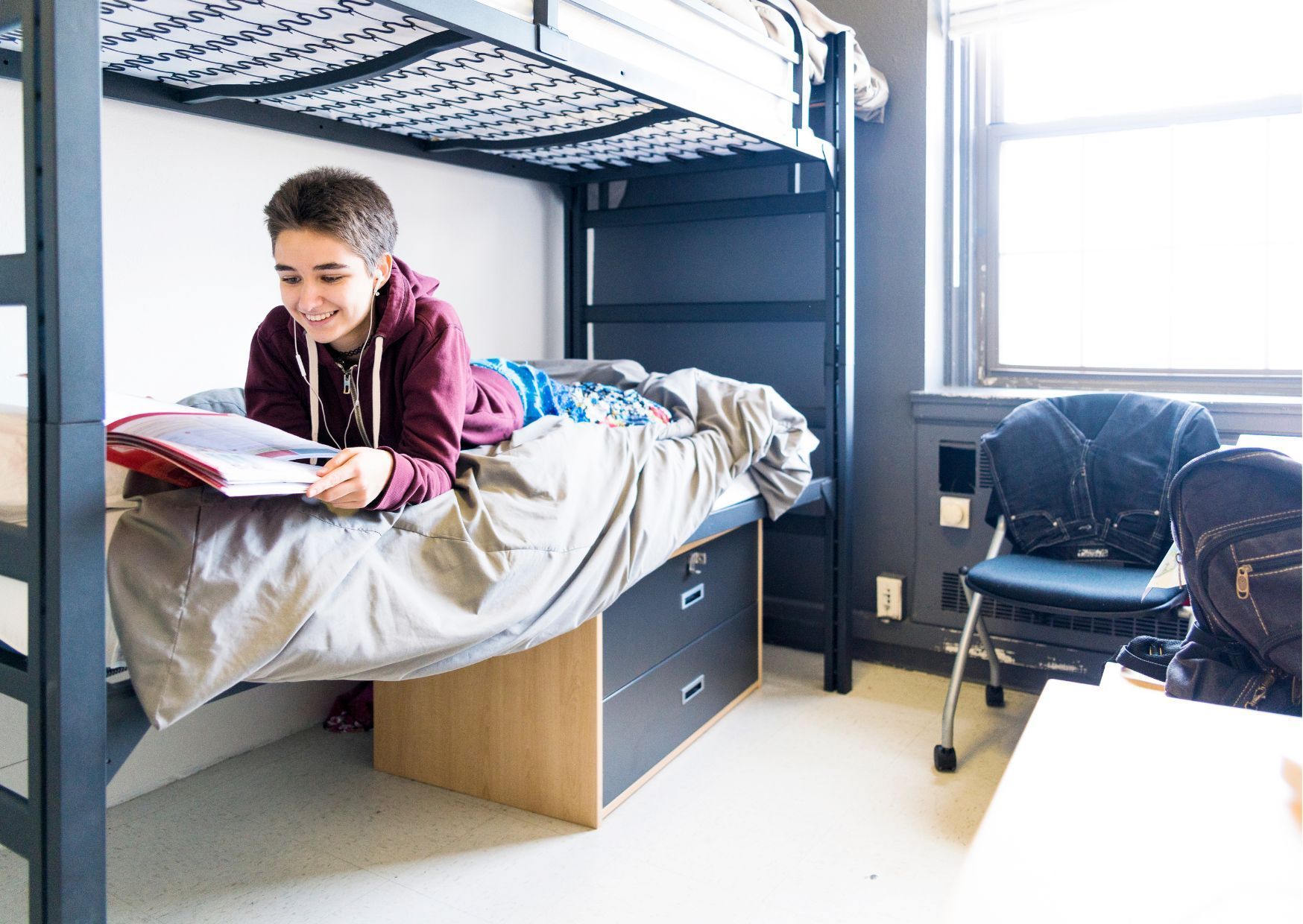
 Student in maroon hoodie smiling while reading book on lower bunk bed in dormitory room.

Tips to Avoid Rental Scams and Secure Safe Housing

Safety is a critical concern when searching for International Student Housing, especially when students are arranging accommodation from abroad. Rental scams can be common, but with the right precautions, students can protect themselves and secure reliable International Student Housing Solutions.

Verify Property and Landlord

Always research the property and landlord before committing to any Housing For International Students. Check online reviews, verify listings, and confirm ownership details if possible. Legitimate landlords should provide clear information and be responsive to inquiries. Taking time to verify details can prevent costly mistakes.

Avoid Upfront Payments Without Verification

Students should never send money or share sensitive information without confirming the legitimacy of the listing. Scammers often request deposits upfront to secure fake properties. Always ensure the accommodation is verified before making any payments related to International Student Accommodation.

Always Review Lease Agreements Carefully

Reading and understanding lease agreements is essential. Ensure that all terms, including rent, duration, and policies, are clearly outlined. If anything seems unclear, seek clarification before signing. This helps protect students from unfair conditions.

Visit or Verify the Property Before Paying

Whenever possible, visit the property in person. If that is not feasible, request a virtual tour or ask someone local to verify it. Confirming the property ensures that the listing matches reality and reduces the risk of fraud.


Conclusion:


Choosing the right Housing for International Students is ultimately about finding the balance between cost, comfort, and convenience. While budget plays a major role, the best International Student Living arrangements also consider location, safety, and how well the space supports daily routines. A well-chosen home allows students to focus on their studies, build relationships, and fully experience life in a new country.


Planning ahead is one of the most important steps in securing the right International Student Housing. Starting early, exploring multiple options, and using trusted resources can make the process smoother and less stressful. At the same time, flexibility is key—being open to different types of Accommodation For International Students can help students find the best fit for their needs and circumstances.

Ultimately, the right International Student Housing Solutions do more than provide a place to stay—they create a stable, supportive environment that enhances the entire study abroad journey. With careful research and thoughtful decision-making, students can find housing that not only meets their needs but also enriches their overall experience abroad.


FAQs:

What are the best housing options for international students?


The best Housing for International Students depends on lifestyle, budget, and personal preferences. Common options include on-campus housing, off-campus apartments, Purpose-Built Student Accommodation (PBSA), and homestays. On-campus housing is ideal for convenience and community, while apartments offer independence. PBSAs provide a balance of modern amenities and student-focused living, and homestays offer cultural immersion. Choosing the right International Student Housing means finding a setup that aligns with your academic goals and comfort level.


How do international students find housing abroad?


Finding Housing for Students Abroad typically involves a combination of university resources, online platforms, and networking. Most universities offer housing portals and support services specifically for International Students Housing. In addition, students can explore online listings, student accommodation websites, and social media groups. Connecting with current students or alumni can also provide valuable insights and recommendations for reliable International Housing For Students.


Is on-campus housing better for international students?


On-campus International Student Residence is often the best choice for students new to studying abroad. It provides convenience, proximity to classes, and access to campus support systems. This structured environment helps students adjust more easily to a new country. However, off-campus Accommodation For International Students may be better suited for those seeking independence and flexibility. The right choice depends on individual needs and experience level.


What is the cheapest housing for study abroad students?


The most affordable Housing For Study Abroad Students typically includes shared apartments, shared housing, or hostels. Living with roommates helps reduce rent and utility costs, making it a popular option for students on a budget. While these options may offer less privacy, they provide a practical and cost-effective solution for International Student Living.


What documents are required for international student housing?


To secure International Student Accommodation, students are usually required to provide identification, a valid visa, proof of enrollment, and sometimes proof of income or a guarantor. Some landlords or housing providers may also require deposits or advance rent payments. Preparing these documents in advance can help streamline the process and secure preferred Housing For International Students more quickly.


How much does international student accommodation cost?


The cost of International Student Housing varies widely depending on the country, city, and type of accommodation. On-campus housing may include utilities and amenities, while off-campus options may require additional expenses such as utilities, internet, and transportation. Students should consider all costs when budgeting for Accommodation For International Students to avoid unexpected financial strain.


Is housing included in tuition for international students?


In most cases, Housing for International Students is not included in tuition fees and must be paid separately. Some universities offer housing packages or optional accommodation plans, but these are typically additional costs. It’s important for students to factor housing expenses into their overall study abroad budget when planning their International Student Living arrangements.


How can I avoid housing scams abroad?


Avoiding scams is crucial when searching for International Student Housing Solutions. Students should verify listings, research landlords, and avoid sending money before confirming the legitimacy of a property. Always review lease agreements carefully and, if possible, visit or request a virtual tour of the property. Taking these precautions helps ensure a safe and secure Housing For International Students experience.

Housing for International Students: A Complete Guide to Global Student Housing Options

Close-up of a desk with a laptop, calculator, clipboard holding a document, and a small yellow house
24 March 2026
Discover expert real estate and mortgage solutions. From home loan calculations to property contracts, we guide you in making smart investment decisions.
Co-living residents enjoying communal spaces that combine private rooms
by Moxie Management 20 January 2026
What is coliving? Learn everything about the coliving concept, including shared living communities, flexible apartments, cost-saving benefits, amenities, and lifestyle advantages. Discover how co-living compares to traditional housing and renting, and why it’s becoming a popular modern living solution.
USC students reviewing apartment listings and lease options for upcoming semesters
by Moxie Management 21 October 2025
Wondering when to start looking for housing near USC? Learn the best times to begin your housing search, key USC housing deadlines, and expert tips to secure the perfect apartment near the University of Southern California before it’s too late.
USC Housing Checklist for Students
by Moxie Management 22 September 2025
Planning to live off-campus at USC? Discover the ultimate USC Housing Checklist for Students Signing Their First Lease. From budgeting and deposits to inspections, lease terms, safety, and move-in prep, this complete first lease checklist helps USC students sign with confidence and start their college life stress-free.
Living On Campus All Four Years or living off campus
by Moxie Management 15 July 2025
Can you live on campus all 4 years at USC? Learn how USC’s housing system works, what the 2-year guarantee means, how the housing lottery affects juniors and seniors, and what alternative options are available. Explore real student experiences, off-campus housing tips, budgeting advice, and how to stay connected to cam
Finding affordable housing without breaking the bank.
by Moxie Management 17 June 2025
How to Find Affordable Off-Campus Housing Near USC Without Breaking the Bank – Discover practical strategies, budget-friendly neighborhoods, and the best tools to help you secure affordable off-campus student housing near USC. Whether you're a freshman or grad student, learn how to find flexible lease options, save on rent, and choose the right housing type for your lifestyle—all while staying close to campus. Start your smart housing search today.
Your lifestyle plays a huge role in whether or not you’ll thrive with a roommate.
by Moxie Management 22 May 2025
Before jumping into your roommate search, it’s crucial to decide if living with someone else truly fits your lifestyle. While having a roommate can help you cut costs and build new connections, co-living also comes with compromises. Understanding your own habits, values, and personal preferences will help you determine whether sharing a space is the right decision—or if you'd be better off living solo. Know Your Living Preferences Your lifestyle plays a huge role in whether or not you’ll thrive with a roommate. Start by reflecting on your day-to-day habits and how comfortable you are sharing your space with someone else. If you're someone who enjoys quiet evenings and values solitude, living with a roommate who frequently entertains guests might create friction. Likewise, if you're a night owl, a roommate who rises at dawn could cause accidental disruptions. Consider how clean you like your space, how often you're home, and how social you are. Ask yourself whether you're more introverted or extroverted, and whether you recharge through alone time or connection. Do you mind sharing a kitchen, bathroom, or closet space? Would unexpected noise or mess stress you out? By answering these questions honestly, you’ll get a clearer idea of what kind of roommate situation—if any—would work for you. Pros and Cons of Living With Roommates There are undeniable benefits to having roommates. The most obvious is saving money—splitting rent, utilities, and even groceries can ease financial strain significantly. On top of that, having a roommate can mean shared responsibilities like cleaning and household errands, which can make daily life more manageable. Emotionally, a roommate can provide companionship, especially if you’re new to a city or living far from friends and family. However, it’s not always smooth sailing. Sharing a home also means navigating differences in habits, personalities, and schedules. One person's laid-back attitude toward cleanliness may clash with another’s high standards. Conflicts can arise over noise, visitors, chores, and boundaries. Without clear communication and mutual respect, small annoyances can grow into bigger issues. That's why it’s essential to weigh both the advantages and potential stressors before committing to a shared living arrangement. Set Your Roommate Criteria & Budget Once you’ve decided that having a roommate is the right move for you, the next step is to define exactly what you're looking for in a potential housemate—and what you're able to offer in return. Getting clear on these expectations ahead of time helps you filter out mismatches and attract compatible roommates more efficiently. Think of this stage as setting the foundation for a successful living arrangement. Make a Must-Have List Before you start browsing listings or asking around, take time to make a list of essential traits you want in a roommate. Cleanliness is often a major point of contention in shared living, so it's important to decide how tidy your ideal roommate should be. You may want someone who consistently washes dishes, keeps common areas organized, and respects shared spaces. Responsibility is another key trait—look for someone who is punctual with rent, respectful of boundaries, and communicative when issues arise. Matching schedules can also make or break a living situation. If you work night shifts and your roommate is an early riser, constant disruptions are likely. Aligning your daily rhythms—like work hours, quiet time, and use of shared areas—can go a long way toward maintaining harmony. Also consider your deal breakers. Are you okay with pets, or do you have allergies? Would smoking indoors or loud music at night drive you up the wall? Be honest with yourself about what you can and can’t tolerate. Defining these non-negotiables up front helps prevent bigger conflicts later on. You don’t have to find your clone, but you do need someone whose lifestyle doesn’t clash with yours. Budgeting and Lease Considerations Beyond personality fit, the financial logistics of co-living should be crystal clear before anyone signs a lease. Determine the total cost of living , including rent, utilities, internet, and shared supplies. Break down what each person is responsible for and how payments will be made. Will you split everything down the middle, or does one person pay slightly more for a bigger room? You should also decide who will be listed on the lease—both of you or just one party—and how deposits will be handled. These conversations may feel uncomfortable, but they’re crucial for protecting everyone involved. Having clear financial expectations in place from the beginning will help you avoid misunderstandings and create a more stable living situation. Methods for Finding Roommates When it comes to finding the right roommate, there’s no one-size-fits-all approach. The best method depends on your timeline, preferences, and comfort level. Fortunately, today's roommate search landscape offers more options than ever before—both online and offline. Whether you're reaching out to people you already know or turning to specialized apps, taking a multi-channel approach will increase your chances of finding a good match. Use Your Network First One of the most reliable ways to find a roommate is through your personal network. Friends, family, coworkers, or classmates can be excellent sources for referrals. Not only do these people understand your personality and habits, but any connections they suggest usually come with some level of trust and accountability. Let people know you’re looking by sending out a group text or posting a short announcement. Include details like your move-in date, budget, location, and roommate preferences. You can even print simple flyers and post them on community bulletin boards at coffee shops, gyms, universities, or your workplace. Word of mouth can work wonders—you never know who’s also searching for a place or knows someone who is. Leverage Social Media If your personal network doesn’t yield any promising leads, it’s time to tap into your digital community. Social media platforms offer powerful tools to connect with potential roommates quickly and efficiently. Start by posting on your own profiles—Instagram Stories, Twitter threads, or LinkedIn posts can reach people both within and outside your immediate circle. Be clear and specific about what you’re looking for and include any deal breakers. Facebook is especially useful, with countless local groups dedicated to housing and roommate searches . Search for groups using phrases like “Find roommates in [City]” or “Roommates NYC/Boston/etc.” You’ll often find posts from people actively looking for housing or roommates. To make your post stand out, use a shareable image with key details—tools like Canva make it easy to create a professional-looking graphic in minutes. How to Find a Roommate Online If your network and social reach still come up short, don’t worry—there are several roommate finder apps and websites designed to connect people based on lifestyle, location, and preferences. These platforms are ideal for reaching a broader audience and offer features that help streamline the search process. Roomi is a top choice thanks to its emphasis on safety and user verification. It allows you to browse profiles, check preferences, and message potential roommates without revealing your contact info. This extra layer of privacy makes initial conversations feel safer and more comfortable. Diggz operates much like a dating app—users build a profile and swipe through matches based on mutual interests and living habits. It’s a quick way to narrow down options and make connections with people you might genuinely vibe with. Roomie Match takes a more curated approach. For a small fee, human reviewers help match you with roommates based on detailed questionnaire responses. It’s ideal if you're short on time or overwhelmed by too many choices. Other platforms like Padmapper , Cirtru , and Roommates.com blend apartment hunting with roommate matching. These tools let you filter listings by city, budget, and amenities while also viewing profiles of people seeking shared housing. As with any online platform, be cautious of scams. Avoid sending personal information or money before verifying the other person’s identity. Always arrange to meet in a public place for initial conversations and consider running a background check or asking for references before finalizing any agreements. Being smart and vigilant will help ensure your search leads to a positive and safe roommate experience. Interviewing and Screening Roommates Finding a potential roommate is only half the battle—screening them is where things really count. Sharing a living space means sharing your daily life, so it's essential to ensure you're choosing someone responsible, respectful, and compatible with your lifestyle. A good interview process helps you avoid messy conflicts, missed payments, or worse—safety concerns. Whether you're meeting someone from an app, through a friend, or off a social media post, treat the screening process seriously. This is your chance to learn if you’re genuinely a good match. Key Questions to Ask When meeting a potential roommate, prepare a list of thoughtful questions that reveal their lifestyle , values, and habits. Start with practical things like their work or school schedule —do they work nights, have early morning shifts, or work from home? Aligning your daily rhythms can prevent tension. Then dig into their cleanliness and organization habits . Ask how often they clean and what they expect from a roommate in terms of shared responsibilities. Don’t forget to ask about social behavior . Do they like to entertain? Do they host friends often or prefer quiet nights in? Discussing this early can help you avoid surprises. It’s also smart to inquire about their rent payment history . Have they ever split rent with someone before? Were there any issues? What did they learn from previous roommate experiences? Their responses will tell you a lot about their reliability and openness. Remember, this isn’t just an interview for them—you’re being evaluated too. Be ready to answer these same questions honestly and offer insight into your own expectations and habits. Red Flags and Safety Tips As you're getting to know someone, keep an eye out for warning signs that could signal future issues. Be cautious of anyone who gives vague or inconsistent answers, especially when discussing rent, job stability, or previous roommates. If someone avoids your questions or seems unwilling to share personal information, it may indicate a lack of transparency or accountability. Always arrange to meet in a public place for the first meeting—like a coffee shop or park. Avoid inviting someone to your home before you feel confident in their intentions. Once you’ve had a good conversation, don’t hesitate to ask for references, especially from previous landlords or roommates. If you want added peace of mind, consider running a background check through a reputable site. Taking these precautions might seem like extra work, but they can save you from a stressful and potentially unsafe living arrangement. A little diligence now will go a long way in creating a positive, respectful home environment later. Signing a Roommate Agreement Even if you’ve found someone you get along with and trust, it’s still crucial to protect your living situation with a written roommate agreement. Think of it as a shared contract that outlines expectations, responsibilities, and rules for living together. While it's not a legally binding document like a lease, it’s incredibly useful in preventing misunderstandings and resolving conflicts before they escalate. A roommate agreement creates a shared reference point you can return to if things ever get unclear, awkward, or tense. It’s about accountability, transparency, and making sure you’re both on the same page. What to Include A solid roommate agreement should cover all the important aspects of co-living . Start with the division of rent and utilities —state how much each person pays, when it’s due, and how it’s paid. Include shared expenses like internet, water, and even household supplies. Next, outline household responsibilities , such as who cleans what and when, whether chores rotate, and how you'll handle groceries and common area upkeep. Guest policies are another area where miscommunication can occur. Agree on how often guests can visit, overnight stay limits, and quiet hours to respect each other’s need for rest and privacy. Include rules about noise levels , especially if you have different work or sleep schedules. One often-overlooked but essential part of any roommate agreement is what happens if one person decides to move out early . Will they be responsible for finding a replacement? Will the remaining roommate cover the rent temporarily? Clarifying these scenarios in advance avoids panic and resentment later. Apps for Chores & Bills Keeping up with bills and chores becomes much easier with the help of a few smart tools. Splitwise is a go-to app that helps roommates track shared expenses and settle balances without confusion. Each person can log what they’ve paid, and the app calculates who owes what. For payments, apps like Venmo make it simple to transfer money instantly, ensuring you’re not chasing down cash every month. For organizing household tasks, OurHome is a great option. It lets you assign chores, set reminders, and even track completion, making it easier to stay accountable without awkward nagging. These apps help foster a sense of fairness and structure in the home, allowing both roommates to focus more on enjoying their space and less on arguing about the trash or missed payments. Finding the Best Shared Apartments Choosing the right apartment is just as important as finding the right roommate. After all, your physical space plays a huge role in your quality of life. The best shared apartments aren’t just affordable—they’re laid out in a way that respects everyone’s privacy, meet your commuting or lifestyle needs, and offer amenities that make shared living easier. Whether you’re moving into an existing shared space or apartment hunting with a potential roommate, knowing what to look for can save you time, money, and future stress. What Makes a Shared Apartment “The Best” Not all apartments are designed with co-living in mind. The best shared apartments typically feature multiple bedrooms of similar size , two bathrooms if possible , and clear separation between common areas and private spaces. A spacious living room and kitchen are also major pluses since these will be high-traffic areas. If you're splitting rent equally, having rooms of equal value avoids resentment or awkward negotiations. Look for units in buildings that offer in-unit laundry , dishwashers , or individual climate control —small conveniences that make daily life smoother when multiple people are sharing a home. Apartments with built-in desks or study/work areas can be helpful if one or both roommates work from home. How to Find a Place With Roommates If you're finding a place with roommates , start your search together to ensure the apartment works for everyone. Use filters on apartment search platforms to select multi-bedroom units in your price range. Websites like Padmapper , Zillow , Apartments.com , and Roomi offer options for shared housing, where rooms in larger apartments are rented individually or to small groups. If you’re joining an existing shared apartment, ask current tenants about house rules, utilities, and how they typically manage shared expenses and chores. Make sure to tour the unit in person, and pay close attention to how space is used. A well-organized, clean, and respectful shared apartment usually reflects the kind of living dynamic you can expect. Lease & Landlord Considerations Once you’ve found the right shared apartment, clarify the lease details. Are all roommates signing the lease together, or is one person subletting to others? Ask the landlord about responsibilities for damage , how rent is collected , and what happens if a roommate leaves early . Ideally, you should all be on the lease—or, if not, have a written sublease agreement in place to protect everyone involved. Finding the best shared apartment is about more than just square footage or rent—it’s about finding a space that supports shared living, balances privacy and community, and fits your lifestyle. Conclusion: Make Co-Living Work for You Finding a roommate and the perfect shared apartment may feel overwhelming at first—but with a clear plan, the right tools, and a bit of patience, it can be one of the smartest moves you make. Whether you're aiming to reduce rent, share daily responsibilities, or simply avoid the loneliness of living alone, co-living can be a rewarding experience. The key is preparation. Know what kind of roommate you're looking for, define your budget, and set firm expectations from the beginning. Use your personal network, social media, and modern roommate finder apps to cast a wide but targeted net. When you start getting leads, take time to interview and screen candidates thoroughly. Don’t shy away from tough conversations early—they help avoid tougher ones later. Once you’ve found a good match, lock in the arrangement with a roommate agreement and choose an apartment that fits your shared needs. Today’s co-living world is full of options, and it’s easier than ever to find roommates online, get a roommate safely, and secure a shared apartment that checks all your boxes. Whether you're in a bustling city or a college town, the right combination of compatibility, communication, and comfort can turn your apartment into more than just a place to sleep—it becomes a place to thrive. So don’t rush the process. Ask the right questions, trust your instincts, and use every tool available to you. With a bit of effort and smart decision-making, you can find a roommate who fits your lifestyle and a home that truly feels like yours. Frequently Asked Questions How do I find a roommate online safely? To find a roommate online safely, start with trusted platforms like Roomi, Diggz, Roomie Match, or Roommates.com. These apps often include user verification and allow for private messaging before meeting in person. Always screen potential roommates through video calls or phone interviews, and meet in public the first time. Never share financial information or sign a lease with someone you haven't met. For extra security, request references or run a background check if something feels off. Safety first—it's better to be thorough than to rush. What are the best apps to find roommates in the USA? Some of the most recommended apps and websites to find roommates in the U.S. include: Roomi – Known for safety features and background-verified users. Diggz – A swipe-based interface that matches users like a dating app. Roomie Match – Offers human-reviewed matches for a small fee. Padmapper and Cirtru – Blend apartment listings with roommate searches. Each platform has unique strengths, so choose one that fits your location and preferences. How long does it take to find a good roommate? It can take anywhere from a few days to a couple of months to find the right roommate. If you cast a wide net—using apps, social media, and word of mouth—you can speed up the process. But don’t rush. It’s better to wait and find someone reliable than to deal with issues later. Should I live with a friend or a stranger? Both have pros and cons. Living with a friend can be fun and familiar, but it can also strain your relationship if boundaries aren’t clear. A stranger offers a clean slate and sometimes more neutrality. Either way, clear communication and written agreements are essential. Is it okay to live with roommates after 30? Absolutely. More adults over 30 are choosing co-living for financial, social, or lifestyle reasons. Whether you're saving for a house or just enjoy having someone around, there’s no age limit on sharing a home. The key is finding someone with a similar mindset and lifestyle. How do roommate agreements work? A roommate agreement is a written document outlining rent, bills, chores, guest policies, and move-out terms. It’s not legally binding like a lease, but it’s a powerful tool to keep everyone accountable. It helps prevent misunderstandings and offers a go-to reference if disagreements arise.
off-campus living can significantly impact not just finances but also daily convenience, lifestyle,
by Moxie Management 24 April 2025
Discover why USC students prefer off-campus housing over dorm life. Learn about the financial savings, enhanced privacy, modern amenities, and real-world benefits that make off-campus living the top choice for Trojans.
Choosing between on-campus and off-campus housing at USC is not just a financial decision—it’s also
by Moxie Management 24 March 2025
Is it cheaper to live on or off campus at USC? Explore a detailed cost comparison, including USC housing options, rent near USC, living expenses, and financial aid considerations. Find out which option best fits your budget and lifestyle.