
Pet Friendly Rentals: How to Find the Best Stay for You and Your Pet Anywhere
Traveling, relocating, or finding temporary housing can become more complicated when a pet is part of the move. While many listings are labeled as Pet Friendly Rentals, that description does not always mean every animal will be accepted. Individual properties may have rules regarding pet size, breed, number of pets, length of stay, deposits, cleaning fees, or where animals are allowed within the property. Understanding these details before booking can help prevent unexpected problems later.
A Pet Friendly Rental can take many forms, including apartments, houses, condos, cabins, cottages, villas, rooms, and suites. Some travelers may be searching for Affordable Pet Friendly Rentals close to home, while others may need Pet Friendly Vacation Rentals for a weekend getaway, extended trip, or cross-country adventure. Broader Pet Friendly Accommodation Rentals can also serve people relocating for work, waiting for permanent housing, or simply looking for a comfortable temporary stay with their pets.
Finding the Best Pet Friendly Rentals involves more than checking whether animals are permitted. Travelers should compare policies, total costs, location, space, outdoor access, and practical amenities. Understanding what makes truly Accommodating Pets Rentals suitable can make the search easier and help both people and pets enjoy a more comfortable stay.
What Are Pet Friendly Rentals?
Pet friendly rentals are accommodations that allow guests or tenants to stay with one or more pets under specific conditions. However, the term “pet friendly” can mean different things from one property to another. Some rentals may welcome dogs and cats freely, while others may limit the type, size, breed, or number of animals allowed. A listing marked as pet friendly should therefore be viewed as a starting point rather than a guarantee that every pet will automatically qualify.
It is also important to distinguish between a rental that simply permits animals and one that is genuinely convenient for people traveling or living with pets. A suitable pet friendly rental may offer practical features such as easy outdoor access, durable flooring, nearby walking areas, enough interior space, and clear rules that make everyday routines easier for both the renter and the animal.

What Does Pet Friendly Actually Mean?
The meaning of pet friendly depends on the individual property and its rental policy. A Pet Friendly Property Rental may accept only certain types of animals or set limits on how many pets can stay at one time. Some properties may also have size or breed restrictions, require a refundable deposit, charge a separate cleaning fee, or establish rules about where animals can go inside or outside the property.
Before reserving a Pet Friendly Rental Property, renters should check whether pets are allowed in bedrooms, on furniture, in common areas, or in outdoor spaces. Understanding these details beforehand can help avoid confusion and ensure that the property is appropriate for the pet’s normal routine.
Pet Friendly Versus Pet-Tolerant Accommodation
Not every property that allows pets provides the same level of convenience. Some Pet Friendly Accommodations Rentals may technically permit animals but offer few features designed around their needs. For example, an apartment that accepts dogs but requires several flights of stairs and has no nearby outdoor area may be difficult for an older dog or for an extended stay.
The most practical Pet Friendly Lodging Rentals consider more than permission alone. Renters should evaluate accessibility, available space, nearby walking opportunities, noise levels, flooring, and outdoor access to determine whether the accommodation truly suits their pet.
Why Pet Owners Should Read the Complete Rental Policy
Reading the full rental policy is essential before completing a reservation. Pet rules may include additional fees, refundable deposits, size or breed limits, cleaning requirements, furniture restrictions, and rules about leaving animals unattended. Some properties may also charge additional fees if pet-related rules are not followed or if extra cleaning or repairs are required.
Confirming these conditions in advance gives renters a clearer picture of the total cost and responsibilities involved. It also reduces the risk of arriving at a property only to discover that an important rule makes the accommodation unsuitable for their pet.

Types of Pet Friendly Rentals and Which One Should You Choose?
Choosing the right pet friendly rental depends on more than simply finding a property that allows animals. The best option will depend on your destination, the number of people traveling, the length of your stay, your budget, the amount of privacy you want, and the specific needs of your pet. A small apartment may work well for a short city stay, while a house, cabin, cottage, or villa may be more practical for a family traveling with multiple pets or for someone planning a longer visit. Outdoor access, stairs, nearby walking areas, shared spaces, noise levels, and property rules should all be considered before making a decision.
Pet Friendly Apartment Rentals
A Pet Friendly Apartment Rental can be a convenient choice for city trips, temporary employment, relocations, couples, and smaller households that do not need a large amount of private space. Pet Friendly Apartment Rentals are often located close to restaurants, shops, public transportation, parks, and other urban conveniences, making them practical for travelers who want to stay near the center of a destination.
However, not all Pet Friendly Apartments are equally convenient for animals. Renters should consider whether the building has an elevator, how many stairs are required, and whether there are suitable walking or bathroom areas nearby. Shared hallways may also create challenges for pets that become nervous around unfamiliar people or animals. Noise from neighboring units can be another consideration. Balconies, building rules, parking access, and restrictions on using common areas should also be reviewed before choosing an apartment.
Pet Friendly House and Home Rentals
A Pet Friendly House Rental can provide more space and privacy than many apartment-style accommodations. Pet Friendly House Rentals may include direct entrances, larger living areas, garages, private yards, patios, and fewer shared spaces. These features can make everyday routines such as feeding, walking, and taking pets outside more convenient.
Pet Friendly Home Rental options can be especially useful for families, groups, and travelers with multiple animals. For longer stays, Pet Friendly Home Rentals may also provide additional storage, larger kitchens, laundry facilities, and more room for pets to settle into a regular routine. Some Pet Friendly Homes include fenced yards, although renters should always confirm whether a yard is fully enclosed rather than assuming it is secure. Location is also important, especially for pets that require frequent walks or access to quiet outdoor spaces. For renters who prioritize privacy and space, a house or home can be one of the most comfortable options.
Pet Friendly Condo Rentals
A Pet Friendly Condo Rental can offer a combination of apartment-style convenience and the character of an individually managed property. Pet Friendly Condo Rentals may be located in residential communities with amenities such as elevators, patios, walking areas, parking, or shared outdoor spaces.
One important consideration is that the pet policy of the individual rental may not always be the only set of rules that applies. A building or residential association may have separate requirements regarding pet size, number of animals, common areas, noise, or leash use. Renters should therefore confirm both the property's rental rules and any building-wide policies before booking. This can help prevent misunderstandings after arrival.
Pet Friendly Cabin and Cottage Rentals
A Pet Friendly Cabin Rental can be particularly appealing for travelers seeking mountain, woodland, lake, or countryside destinations. Pet Friendly Cabin Rentals often provide greater privacy and easier access to outdoor recreation than urban accommodations. Nearby trails, porches, open landscapes, and quieter surroundings can be especially attractive for people traveling with active dogs.
A Pet Friendly Cottage Rental offers many of the same advantages and may work well for coastal trips, rural escapes, lake vacations, or peaceful weekend stays. Pet Friendly Cottage Rentals can provide a more residential atmosphere while still giving travelers convenient access to outdoor areas.
Outdoor settings also require additional consideration. Renters should think about fencing, nearby wildlife, muddy conditions, insects, steep terrain, and how easily pets can enter and leave the property. It is also useful to check the distance to veterinary care and other essential services before choosing a remote location.
Choosing a Cabin for an Active Dog
For an active dog, look for a cabin with convenient access to trails or other exercise areas, secure outdoor spaces, practical entrances, and enough indoor room for the pet to relax after activity. Washable or durable flooring can make cleaning easier after wet or muddy walks. Travelers should also consider how far the property is from veterinary services, especially when staying in a remote area.
Choosing a Cottage for a Relaxed Getaway
A cottage may be ideal for pets that are comfortable in quieter surroundings. Private yards, walkable roads, ground-floor entrances, porches, and nearby outdoor areas can make daily routines easier. Renters with senior pets or animals with limited mobility may want to avoid properties with steep stairs or difficult terrain and instead prioritize simple access between indoor and outdoor spaces.
Pet Friendly Villa Rentals
A Pet Friendly Villa Rental may suit larger families or groups that want more living space while traveling with pets. Pet Friendly Villa Rentals can include spacious interiors, private patios, gardens, gated areas, pools, and multiple bedrooms, making them useful for groups that want to stay together without feeling crowded.
Pet owners should still evaluate how suitable the outdoor spaces are for their animals. A garden may not be fully fenced, while pools, gates, balconies, or open terraces may require additional supervision. Property-specific rules may also limit where pets can go. Confirming these details before booking can help determine whether a villa is genuinely practical for the entire group.
Pet Friendly Room and Suite Rentals
A Pet Friendly Room Rental differs significantly from renting an entire apartment or house because guests may share part of the property with other people. Pet Friendly Room Rentals can be useful for solo travelers, couples, or renters who need a simpler and potentially more compact accommodation.
A Pet Friendly Suite Rental may provide additional privacy, particularly when the suite includes a private bathroom, separate living space, or independent entrance. Pet Friendly Suite Rentals can offer a balance between affordability and comfort without requiring an entire property.
Before booking, consider whether entrances, kitchens, hallways, yards, or other areas are shared. It is also important to determine whether other pets live on the property. Animals that are anxious, territorial, or reactive may be more comfortable in accommodations with fewer shared spaces.
Pet Friendly Dwelling and Property Rentals
The terms Pet Friendly Dwelling Rental and Pet Friendly Dwelling Rentals can describe a broad range of residential accommodations rather than one specific building style. They may include apartments, condos, houses, townhomes, cottages, guest units, and other residential spaces that permit pets.
Similarly, a Pet Friendly Property Rental can refer to many different accommodation types. Pet Friendly Property Rentals and Pet Friendly Rental Properties should therefore be compared according to their individual features rather than their category alone. Renters should evaluate the amount of space, outdoor access, location, privacy, rental rules, and overall suitability for their pet. The right property is ultimately the one that provides a practical environment for both the traveler and the animal throughout the entire stay.
Short-Term, Vacation, and Long-Term Pet Friendly Rentals
The length of a stay can significantly affect which type of pet friendly rental makes the most sense. Someone booking accommodations for a weekend may focus on convenience, location, and total trip cost, while a renter staying several months may care more about storage, neighborhood walkability, outdoor access, and recurring pet expenses. Considering the duration of the stay early in the search can make it easier to compare properties and avoid paying for features that are not necessary.
Pet Friendly Short Term Rentals
Pet Friendly Short Term Rentals can be useful for weekend getaways, business trips, temporary family visits, medical travel, short relocations, or periods when a primary home is being renovated. Because the stay may only last a few nights or weeks, convenience and flexibility are often more important than having every feature of a permanent home.
Renters should pay close attention to the total cost of a short booking. One-time cleaning fees, pet charges, and service costs can make up a larger percentage of the final price when the stay is brief. A property with a slightly higher nightly rate but lower additional fees may sometimes provide better overall value. It is also important to confirm whether pets can be left unattended and whether there are nearby outdoor areas for daily walks.
Pet Friendly Vacation Rentals
Pet Friendly Vacation Rentals are designed for travelers who want to enjoy a destination without leaving their pets behind. These properties may range from apartments and condos to cottages, cabins, houses, and villas, depending on the location and style of the trip.
When comparing vacation rentals, travelers should consider both the property and the surrounding area. Easy access to parks, beaches, trails, walking paths, or other outdoor spaces can make the trip more enjoyable for active pets. Nearby outdoor dining and pet-friendly attractions may also be helpful for travelers who want to include their animals in daily activities. Weather should be considered as well, particularly in very hot, cold, or humid destinations. Access to regular and emergency veterinary care can also be important, especially for longer vacations or pets with ongoing health needs.
Pet Friendly Long Term Rentals
Pet Friendly Long Term Rentals are often better suited to people planning to stay for several months or longer. These may include renters relocating for work, remote workers, people on temporary assignments, extended family visitors, or individuals waiting for permanent housing.
For a longer stay,
everyday functionality becomes more important. Renters should consider whether the neighborhood is easy to walk, whether the property provides enough storage, and how convenient it is to take pets outside. Flooring, laundry access, parking, nearby parks, veterinary services, and access to pet supplies may matter more over time than they would during a weekend stay. It is also important to understand whether pet charges are one-time fees or recurring monthly expenses, as ongoing costs can have a greater impact on a long-term rental budget.

How to Find Pet Friendly Rentals Near You or Anywhere You Want to Travel
Location is another important part of choosing the right pet friendly accommodation. A suitable property may be available nearby, in another region, or across the country, but the surrounding neighborhood can be just as important as the rental itself. Searching by location while considering nearby amenities can help renters find accommodations that support their pet's normal routines.
Finding Pet Friendly Rentals Near Me
People searching for Pet Friendly Rentals Near Me may be looking for temporary housing, a local getaway, or a longer-term option close to their current community. Using location-based search filters can help narrow results to properties that allow pets within a preferred distance.
When comparing Pet Friendly Rentals In My Area, renters should look beyond the property description and evaluate nearby surroundings. Parks, sidewalks, trails, green spaces, veterinary clinics, and pet-supply stores can make daily life easier. Pet Friendly Rentals Locally may also be especially useful for people who want to remain close to work, family, schools, or existing veterinary care while moving temporarily or searching for a new home.
Searching for Pet Friendly Rentals Anywhere
Pet Friendly Rentals Anywhere can be useful for travelers who are flexible about their destination and care more about finding the right accommodation than visiting one specific place. This type of search can work well for remote workers, extended travelers, seasonal trips, or people planning a flexible getaway with their pets.
Searching Pet Friendly Rentals All Locations allows renters to compare different destinations based on price, property type, climate, outdoor access, and local amenities. A broader search can also make it easier to find accommodations with specific features such as fenced yards, ground-floor access, larger living spaces, or nearby recreation.
Finding Pet Friendly Rentals Nationwide
Pet Friendly Rentals Nationwide can be especially useful for road trips, cross-country relocations, extended travel, or stays involving several different destinations. A nationwide search gives renters more flexibility, but pet rules should still be checked for each individual property.
Policies can vary significantly from one rental to another, even within the same city or region. One property may accept multiple pets, while another may have size limits or additional fees. Travelers should therefore review every listing carefully rather than assuming that pet policies will remain consistent throughout a trip. Confirming restrictions before each booking can help reduce problems when moving between destinations.
Evaluate the Neighborhood as Carefully as the Rental
A rental can appear ideal on the inside while being less convenient because of its surroundings. Pet owners should consider walking conditions, traffic levels, nearby green spaces, climate, noise, and access to essential pet services.
A neighborhood with sidewalks, parks, dog-friendly trails, or easy access to outdoor areas may be more comfortable for pets that need frequent exercise. Nearby veterinary clinics and emergency veterinary care can provide additional peace of mind, particularly during extended stays. Access to pet stores, beaches, dog parks, and quieter walking routes may also influence the overall experience. For many renters, choosing the right location is just as important as selecting the right property because the surrounding environment affects daily routines throughout the entire stay.
How to Find Affordable and Cheap Pet Friendly Rentals
Finding Affordable Pet Friendly Rentals requires looking beyond the advertised nightly or monthly rate. A property may appear inexpensive at first but become much more costly once pet charges, cleaning fees, deposits, parking, utilities, or other required expenses are added. This is why renters searching for Cheap Pet Friendly Rentals should compare the complete cost of the stay rather than relying only on the base price shown in a listing.
Budget-friendly options can also vary depending on property type, location, travel dates, and length of stay. Being flexible in one or more of these areas can create more choices and make it easier to find a rental that fits both the renter's budget and the pet's needs.
Compare the Total Price, Not Just Base Rent
The lowest advertised rate does not always result in the lowest final cost. Some rentals may include additional pet fees, refundable or nonrefundable pet deposits, cleaning charges, booking fees, parking costs, utilities, security deposits, or recurring monthly pet rent.
It is important to distinguish between one-time and recurring charges. A single pet fee may have a limited impact on a long stay, while monthly pet rent can significantly increase the cost over several months. For short stays, a large cleaning fee or one-time pet charge may represent a substantial portion of the total booking price. Comparing the full amount due for the entire stay gives renters a more accurate picture of which option is actually affordable.
Look at Different Property Types
Expanding the search to different property types can increase the number of available options. Someone originally looking for an entire house may also want to compare apartments, condos, rooms, or suites that allow pets. Likewise, travelers searching for larger accommodations may discover that a smaller property still provides enough space for their needs.
No single type of rental is always cheaper than another because pricing depends on location, size, demand, amenities, and length of stay. Comparing several property categories can help renters identify better value without unnecessarily limiting the search.
Consider Flexible Locations and Travel Dates
Flexibility with location and timing can also make it easier to find affordable options. Expanding the search radius beyond one neighborhood or considering nearby towns may reveal additional rentals at different price points. This can be especially helpful in popular destinations where centrally located properties may have higher rates.
Travel dates can also influence availability and pricing. If the schedule allows, adjusting arrival or departure dates may provide more choices. Renters should still consider transportation, daily travel, and access to pet-friendly outdoor areas before choosing a property farther away simply because it has a lower advertised price.
When Cheap Does Not Mean Good Value
A cheap rental is not always the most practical or affordable option overall. A property located far from safe walking areas, parks, shops, or important services may require additional driving and transportation costs. It may also make everyday routines with a pet more difficult.
The best value usually comes from balancing price with convenience, comfort, location, and pet suitability. Paying slightly more for easier outdoor access, a better neighborhood, or fewer additional fees may result in a more comfortable stay and a lower overall cost once all expenses are considered.
What Makes the Best Pet Friendly Rentals Truly Pet Friendly?
The Best Pet Friendly Rentals do more than simply allow animals to stay on the property. A truly pet-friendly rental should make everyday routines easier, safer, and more comfortable for both the renter and the pet. Features such as convenient outdoor access, practical flooring, secure spaces, suitable room to move around, and nearby pet services can make a significant difference, especially during longer stays.
Renters should think about how the property will function from day to day. A rental that looks attractive in photos may be less practical if it requires several flights of stairs, has no nearby walking areas, or provides outdoor space that is difficult to use safely. Evaluating these details can help renters identify accommodations that genuinely support their pet's needs.
Convenient Outdoor Access
Easy outdoor access is especially important for dogs and other pets that need frequent bathroom breaks or exercise. A direct entrance can be more convenient than navigating long hallways, elevators, or several flights of stairs multiple times each day. Renters should also consider whether grass, walking paths, patios, or yards are nearby.
Balconies may provide fresh air but should not be treated as a replacement for proper outdoor access. Nighttime walking conditions also matter. Well-lit routes, sidewalks, manageable traffic, and nearby open areas can make early morning and evening outings more convenient.
Secure Fencing and Outdoor Spaces
A private yard can be a valuable feature, but renters should confirm whether it is completely fenced before assuming a pet can use it freely. Fence height, gaps, gate security, and the condition of the enclosure may all affect whether the space is suitable for a particular animal.
A fenced area that works well for a small, calm dog may not be appropriate for a larger or highly active pet. Outdoor spaces may also be shared with other guests or animals. Renters should review the property details carefully and ask for clarification whenever the security or privacy of an outdoor area is uncertain.
Pet-Friendly Flooring and Easy Cleaning
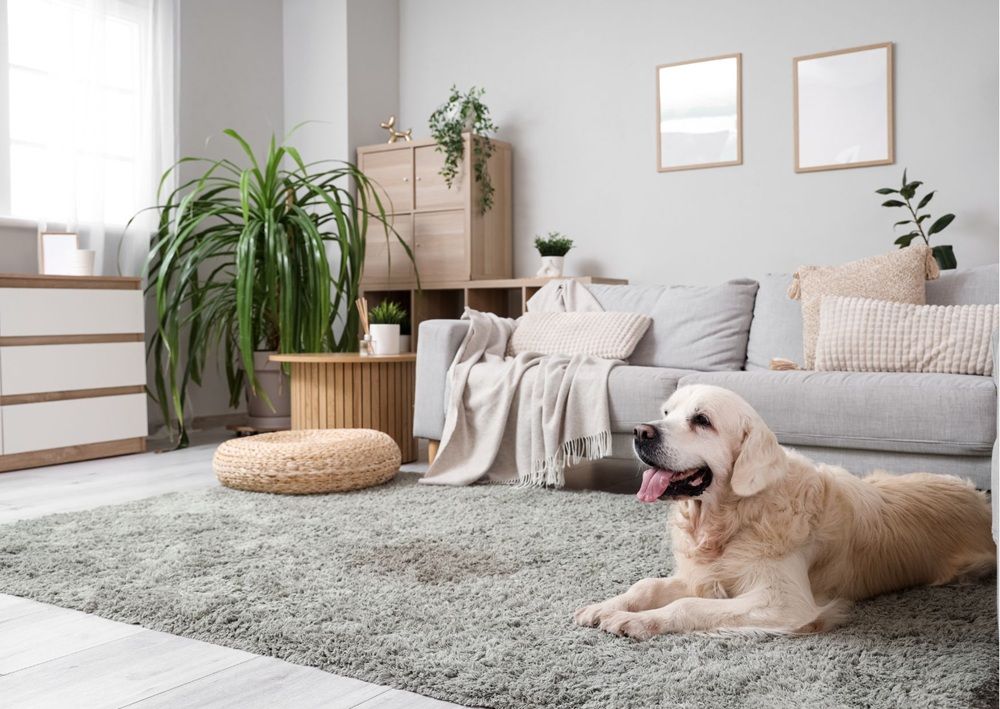
Flooring can have a major impact on how easy a rental is to maintain during a stay. Hard flooring is often easier to clean after muddy walks, spills, shedding, or accidents, while washable rugs can provide comfort without making routine cleaning difficult.
Practical entry areas or mudrooms can also help keep dirt from spreading throughout the property. These features are particularly useful in rainy, snowy, rural, or beach destinations where pets may regularly return indoors with wet or dirty paws. A rental that is easy to clean can reduce stress for both guests and property owners.
Labor-Saving Features for Pet Owners
People searching for Labor Saving Pet Friendly Rentals are often looking for accommodations that reduce the amount of effort required to manage everyday pet care. Features such as easy-clean flooring, ground-floor entrances, private outdoor areas, nearby waste stations, accessible laundry facilities, and practical storage can simplify daily routines.
Convenient walking routes can also save time by eliminating the need to drive somewhere every time a pet needs exercise. A place to store food, leashes, carriers, towels, and cleaning supplies can help keep the rental organized. These practical details may not seem important at first, but they can make a noticeable difference during an extended stay.
Space Appropriate for Your Pet
The amount of space a pet needs depends on more than body size. Species, breed, age, activity level, temperament, mobility, and established routine should all be considered. A small but highly active dog may require more opportunities for exercise than a larger, calmer pet, while an older animal may benefit more from easy movement and fewer stairs.
Renters should consider whether the property's layout allows their pet to eat, sleep, move around, and relax comfortably without creating difficulties for other occupants. The right amount of space is ultimately determined by how well the accommodation supports the animal's normal routine.
Nearby Pet Services
The surrounding area can be just as important as the rental itself. Access to veterinary clinics and emergency veterinary care can provide reassurance, particularly for longer trips or pets with ongoing needs. Nearby groomers, pet stores, walkers, and daycare services may also make an extended stay easier.
Parks, trails, walking routes, and other outdoor areas can provide convenient opportunities for exercise and enrichment. Choosing a rental near the services and spaces a pet is likely to use can make everyday routines easier and help create a more comfortable overall stay.

Questions to Ask Before Booking a Pet Friendly Rental
Before booking a pet friendly rental, it is important to confirm the rules that could affect your stay. A listing may appear suitable at first, but details about pet type, fees, outdoor areas, furniture use, or unattended animals can change whether the property is a good fit. Asking the right questions in advance can help avoid unexpected costs, misunderstandings, or situations that make the stay uncomfortable for you or your pet.
What Pets Are Allowed?
Start by confirming exactly which pets are permitted. Some rentals may welcome dogs and cats but not other animals, while others may place limits on the total number of pets allowed. Size or weight restrictions may also apply, along with breed-related policies or minimum age requirements. If you are traveling with more than one animal or with a larger pet, it is especially important to verify the rules before completing the reservation.
Are There Pet Fees or Deposits?
Pet-friendly rentals may include additional charges beyond the regular rental price. Ask whether there is a pet fee, deposit, or recurring charge and whether it is refundable or nonrefundable. Some properties may charge once per stay, while others may calculate fees nightly, monthly, or for each individual pet. Understanding the complete fee structure can help you compare properties more accurately and avoid unexpected expenses after booking.
Are Pets Allowed on Furniture?
House rules may restrict where pets are allowed inside the rental. Some properties may prohibit animals from beds or sofas, while others may limit access to certain bedrooms, patios, pools, or shared areas. Knowing these rules before arrival makes it easier to prepare. If your pet is accustomed to sleeping on furniture, for example, you may need to bring a familiar bed or other suitable alternative.
Can Pets Be Left Alone?
Travelers planning restaurant visits, meetings, events, sightseeing, or other activities should confirm whether pets may be left unattended in the rental. Some properties may allow this without restrictions, while others may require pets to be crated or may prohibit leaving them alone entirely. This policy can strongly affect daily plans, so it should be reviewed before booking rather than discovered after arrival.
Is the Yard Completely Enclosed?
A property may advertise a yard without specifying whether it is securely fenced. Confirm whether the entire outdoor area is enclosed and ask about fence height, gaps, gates, and possible escape points. It is also useful to determine whether the yard is private or shared with other guests, residents, or animals. A fenced space should be evaluated according to your pet's size, behavior, and ability to jump, climb, or squeeze through openings.
Are Other Animals on the Property?
Finding out whether other animals live or stay on the property is especially important for room rentals, shared accommodations, farms, multifamily properties, or rentals with common outdoor spaces. Pets that are anxious, territorial, or uncomfortable around unfamiliar animals may need a more private environment. Confirming this detail in advance can help you determine whether the rental offers the level of separation and comfort your pet needs throughout the stay.
How to Compare Pet Friendly Rental Listings Before You Book
Comparing pet friendly rental listings carefully can help you avoid unexpected restrictions, extra costs, or accommodations that do not actually fit your needs. Instead of choosing the first property that allows pets, it is better to compare each option using the same basic criteria. Looking at your priorities, the pet policy, the total cost, the surrounding area, and any unclear rules can make the booking process much easier.
Identify Your Non-Negotiables
Before comparing listings, decide which features are essential for your stay. Consider how many pets you are bringing, the type of property you prefer, your budget, the length of your stay, and your preferred location. Outdoor access, parking, stairs, room size, and available space may also be important. Knowing these requirements in advance can help you quickly eliminate rentals that are not suitable and focus on options that better match your needs.
Read the Pet Policy
Do not rely only on a pet-friendly label or search filter. Read the complete pet policy for each property to understand what is actually allowed. Check for limits on pet type, size, breed, number of animals, and areas where pets can go. You should also review rules regarding furniture, unattended pets, cleaning responsibilities, and outdoor spaces. Small policy differences can have a major effect on whether a rental works for your situation.
Calculate the Full Stay Cost
Compare the total cost rather than only the advertised rental rate. Include rent, pet fees, cleaning charges, deposits, parking, utilities, and any other required expenses. A property with a lower base price may end up costing more once additional charges are included. Looking at the full amount makes it easier to compare rentals fairly.
Examine the Property and Surroundings
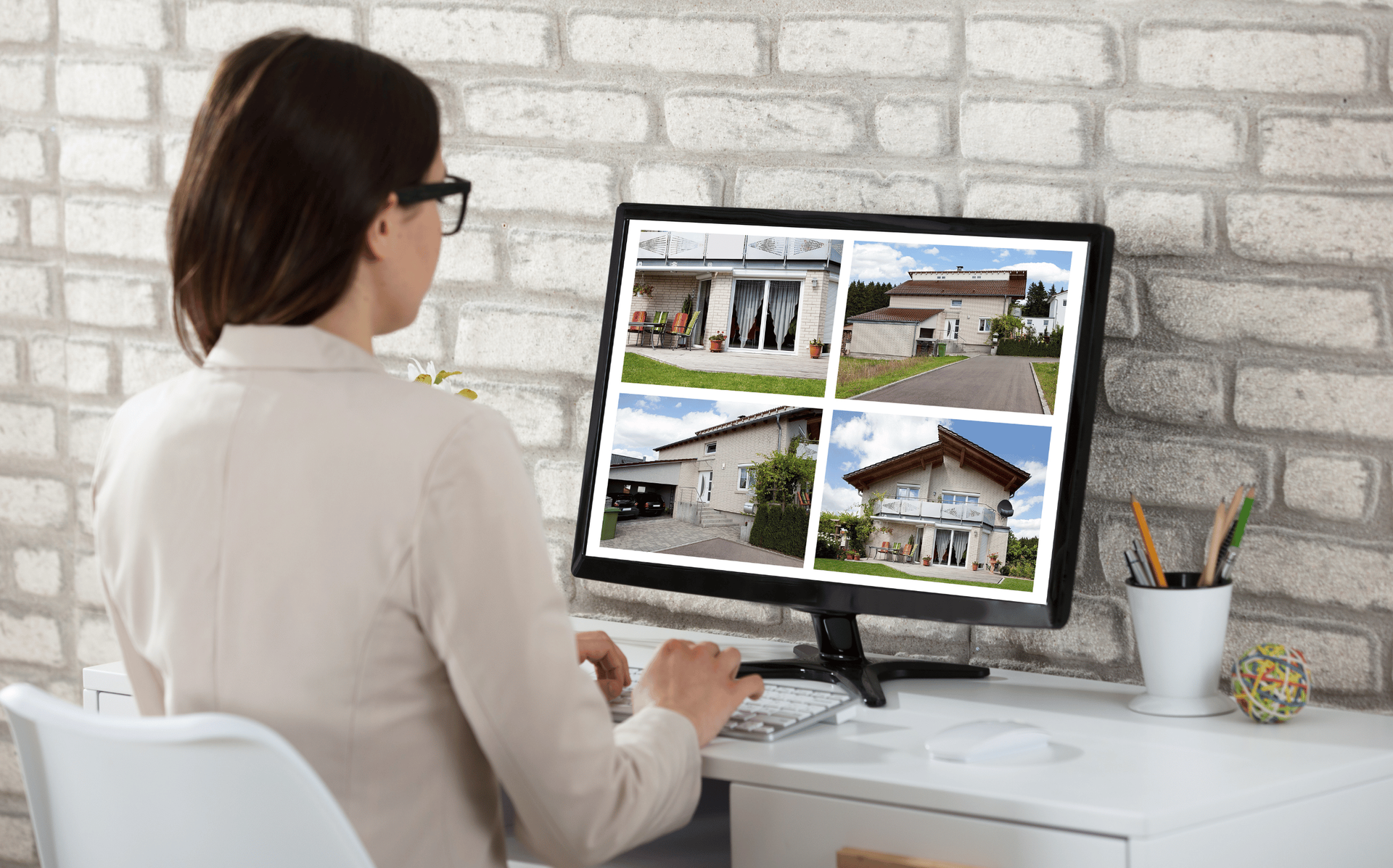
Review listing photos and location information carefully. Look at entrances, stairs, balconies, yards, nearby roads, parking, and outdoor areas. The surrounding neighborhood also matters, especially if your pet needs regular walks. Consider nearby parks, sidewalks, trails, veterinary services, and other useful amenities that could make the stay more convenient.
Confirm Unclear Rules Before Booking
If any part of the listing or pet policy is unclear, ask for clarification before paying. Confirm important details such as fees, fencing, pet limits, unattended-pet rules, and access to shared spaces. Getting clear information in advance can prevent misunderstandings and help you choose a rental with greater confidence.
Preparing for a Stay in a Pet Friendly Accommodation Rental
Once a Pet Friendly Accommodation Rental has been selected, the next step is preparing for a smooth arrival. Bringing the right supplies, understanding the property rules, and helping your pet settle into an unfamiliar environment can make the stay more comfortable for everyone. Whether you are staying in a Pet Friendly Lodging Rental for a few nights or several weeks, preparation can also help reduce stress, prevent damage, and make everyday routines easier to manage.
Bring Familiar Pet Essentials
Pack the items your pet already uses at home so the new environment feels more familiar. Food, water and food bowls, medications, bedding, leashes, harnesses, carriers, identification tags, toys, and cleaning supplies can all be useful. Bringing familiar bedding or toys may help your pet feel more comfortable in an unfamiliar space. It is also a good idea to bring enough food and medication for the planned stay, especially when traveling somewhere where your usual products may be harder to find.
Protect the Rental Property
Taking simple precautions can help keep the rental clean and prevent unnecessary damage. Wipe muddy or wet paws before pets come inside, manage shedding when possible, and supervise animals in unfamiliar rooms or outdoor areas. Follow any rules regarding sofas, beds, rugs, or other furniture. Outdoor areas should also be kept clean during the stay. Taking care of the property not only helps avoid additional cleaning or damage charges but can also make the experience easier for both renters and property owners.
Help Your Pet Adjust to the New Environment
Pets may need time to become comfortable in a new place, especially after a long trip. Maintaining familiar feeding, exercise, bathroom, and sleeping routines can make the transition easier. Allow your pet time to explore the accommodation gradually and become familiar with new sounds and smells. Keeping familiar bedding, toys, or feeding areas nearby may also provide reassurance. For longer stays, establishing a consistent daily routine can help the rental begin to feel more familiar.
Review Local Pet Rules
Pet rules can vary between neighborhoods, buildings, parks, beaches, and other public areas. Before exploring the destination, check any local leash requirements, park regulations, beach restrictions, building rules, or limits on where animals can enter. Some locations may have designated pet areas or specific hours when pets are permitted. Understanding these requirements in advance can help prevent problems and make it easier to plan walks, outings, and other activities during the stay.

Choosing the Right Pet Friendly Rental for Your Next Stay
Choosing the right pet friendly rental comes down to finding an accommodation that works well for both you and your pet. Start by selecting the property type that fits your trip, whether you are considering Pet Friendly Apartment Rentals, Pet Friendly House Rentals, Pet Friendly Cabin Rentals, Pet Friendly Cottage Rentals, Pet Friendly Condo Rentals, Pet Friendly Villa Rentals, or Pet Friendly Vacation Rentals. The right choice will depend on your destination, budget, length of stay, preferred amount of space, and your pet’s everyday routine.
It is equally important to review the complete pet policy before booking. A property described as pet friendly may still have restrictions involving animal type, size, number of pets, fees, furniture use, outdoor areas, or unattended animals. Understanding these details beforehand can help prevent surprises.
The Best Pet Friendly Rentals are not necessarily the largest or most expensive options. A smaller property with convenient outdoor access, practical amenities, and a suitable neighborhood may provide a better experience than a larger rental that is difficult for your pet to navigate. Comparing several Pet Friendly Rental Properties, reviewing total costs, and confirming unclear policies before making a reservation can help you find an accommodation that provides comfort, convenience, and a smoother stay for everyone.
Frequently Asked Questions About Pet Friendly Rentals
What does pet friendly rental mean?
A pet friendly rental is an accommodation that allows guests or tenants to stay with one or more pets. However, the rules can vary by property. Some rentals may limit the number, size, breed, or type of pets allowed, while others may charge additional fees or require specific behavior and cleaning standards during the stay.
How do I find pet friendly rentals near me?
To find Pet Friendly Rentals Near Me, begin by searching within your preferred city, neighborhood, or travel radius and applying pet-friendly filters where available. After narrowing the results, compare the individual pet policies, property features, and surrounding area. Nearby parks, sidewalks, veterinary clinics, trails, and green spaces can make a local rental more practical for everyday pet care.
Where can I find affordable pet friendly rentals?
Affordable pet friendly rentals can be easier to find when you compare the total cost rather than focusing only on the advertised rate. Look at different property types, nearby neighborhoods, travel dates, and stay lengths. Be sure to include pet fees, cleaning charges, deposits, parking, and other required expenses when determining which rental offers the best overall value.
Are pet friendly apartments more expensive?
Pet friendly apartments are not always more expensive, but some properties may charge additional pet-related fees. These could include a one-time pet fee, refundable deposit, monthly pet rent, or extra cleaning costs. Pricing also depends on location, apartment size, amenities, and demand, so it is best to compare the complete cost of several properties before making a decision.
What is normally included in a pet fee?
A pet fee may help cover additional cleaning, maintenance, or wear associated with allowing animals in a rental, but the exact purpose and amount can vary. Some charges are applied once per stay, while others may be assessed per pet, per night, or monthly. Renters should review the property terms carefully to understand what the fee covers and whether additional charges may apply.
Are pet deposits refundable?
Whether a pet deposit is refundable depends on the rental agreement and any applicable local requirements. Some deposits may be returned after the stay if there is no pet-related damage, while other pet charges may be nonrefundable from the beginning. Renters should confirm the terms before paying and understand what conditions could affect the return of the deposit.
Can I find pet friendly house rentals with fenced yards?
Yes, some Pet Friendly House Rentals may include fenced yards or private outdoor areas. Listing descriptions and property filters can help narrow the search, but renters should still confirm the details directly. Ask whether the yard is fully enclosed, whether gates are secure, how high the fencing is, and whether the space is private or shared with other occupants.
Are there pet friendly long term rentals?
Pet Friendly Long Term Rentals can include apartments, houses, condos, townhomes, and other residential properties that allow pets for extended stays. Long-term renters should pay particular attention to recurring pet rent, deposits, neighborhood walkability, outdoor access, storage, flooring, and nearby pet services. The property should support daily routines comfortably over several months rather than only for a short visit.
Are vacation rentals better than hotels when traveling with pets?
Vacation rentals can be a better choice for some travelers because they may provide more space, privacy, kitchens, private entrances, or outdoor areas. Hotels may offer greater convenience, shorter check-in processes, or on-site services. The better choice depends on the pet, budget, location, length of stay, desired amenities, and how much privacy or space the traveler needs.
What should I look for in a pet friendly cabin rental?
When choosing a Pet Friendly Cabin Rental, consider outdoor access, fencing, nearby trails, wildlife, terrain, flooring, and weather conditions. Easy-clean surfaces can be helpful after muddy or wet walks, while secure outdoor spaces may make daily routines more convenient. Travelers should also check how far the cabin is from veterinary clinics or emergency pet care, particularly in remote areas.
Can more than one pet stay in a pet friendly rental?
Some pet friendly rentals allow multiple animals, while others place a limit on the number of pets permitted. Additional fees may also apply for each animal. If you are traveling with more than one pet, confirm the maximum number allowed, any size or breed restrictions, and whether the stated fees apply once per booking or separately to each pet.
Can I leave my pet alone in a vacation rental?
Whether a pet can be left unattended depends on the rules of the individual vacation rental. Some properties permit it, while others may require pets to be crated or may prohibit leaving them alone completely. Travelers planning meals, sightseeing, meetings, or activities without their pets should confirm this policy before booking so it does not interfere with their plans.
How do I know whether a rental is truly suitable for my dog or cat?
A suitable rental should match your pet's individual routine and behavior, not simply carry a pet-friendly label. Consider your animal's activity level, mobility, temperament, age, need for outdoor access, sensitivity to noise, and comfort around unfamiliar people or pets. A property that supports feeding, sleeping, exercise, bathroom routines, and relaxation will generally provide a more comfortable stay.
Housing for International Students: A Complete Guide to Global Student Housing Options